Blog / topic · page 2 of 2
Compliance and work-zone safety
MUTCD, OSHA and the rules that shape every work zone, explained with their sources. 45 articles.

Compliance and work-zone safety
Internal Traffic Control Plans: Controlling the Traffic Inside Your Own Work Zone
A traffic control plan protects the public from the work zone. An internal traffic control plan protects workers from the equipment inside it — the hazard that kills more road workers than passing motorists on many projects.
Aug 8, 2026 · 11 min read

Compliance and work-zone safety
MASH Compliance for Work Zone Devices: What It Means for Your Inventory
MASH changed which crashworthy devices can be installed on federal-aid projects, and the manufacture date on your barricades and sign supports now matters. Here is how the agreement works and how to audit an existing fleet.
Aug 8, 2026 · 11 min read
Compliance and work-zone safety
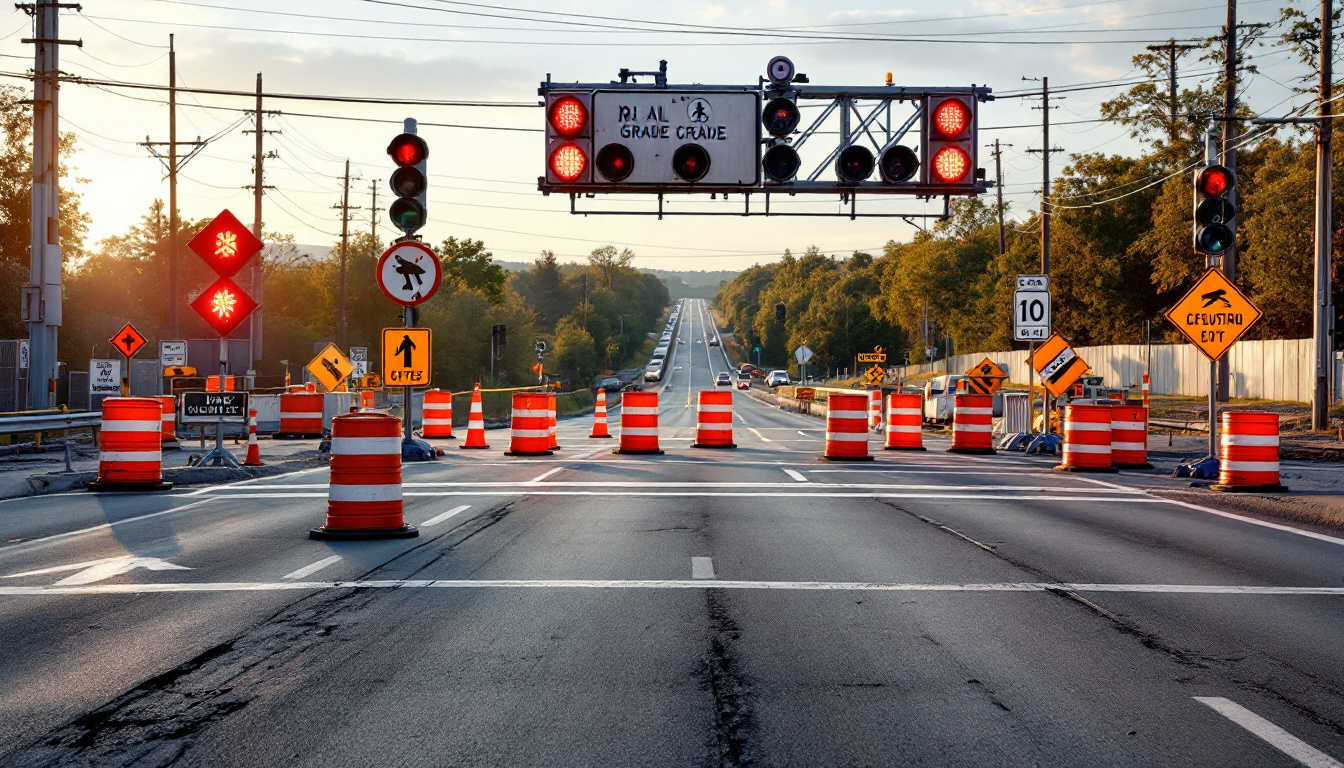
Work Zones at Highway-Rail Crossings: What Changes and Who You Have to Call
A lane closure near a grade crossing introduces a second authority, a queue you must never create, and coordination lead times most contractors underestimate. Here is what changes.
Aug 8, 2026 · 5 min read

Compliance and work-zone safety
Temporary Pavement Markings in Work Zones: What Contractors Need to Get Right
Temporary markings decide whether a shifted alignment reads correctly at 60 mph at night. Here is how tape, paint, and removable markings differ, what the standards actually require, and where crews and agencies most often collide.
Aug 8, 2026 · 11 min read

Compliance and work-zone safety
What Is Temporary Traffic Control? A Working Definition for Contractors
Temporary traffic control is the discipline of moving road users safely past work that has taken part of the road away. Here is what the term actually covers, how the federal framework is structured, and where the contractor's obligations begin and end.
Aug 8, 2026 · 11 min read

Compliance and work-zone safety
Work Zone Inspections and Agency Audits: What Gets Checked
What an inspector actually looks at when they walk your work zone, how deficiencies escalate, and what documentation turns an awkward conversation into a two-minute one.
Aug 8, 2026 · 5 min read

Compliance and work-zone safety
The MUTCD 11th Edition: What It Means for Work Zones, and Why Your State's Manual Still Differs
The 11th Edition of the MUTCD was published in December 2023 and states had until January 2026 to adopt it. What that deadline actually required, why your state manual may still say something different, and how to keep field templates from citing sections that no longer exist.
Aug 2, 2026 · 11 min read
Compliance and work-zone safety
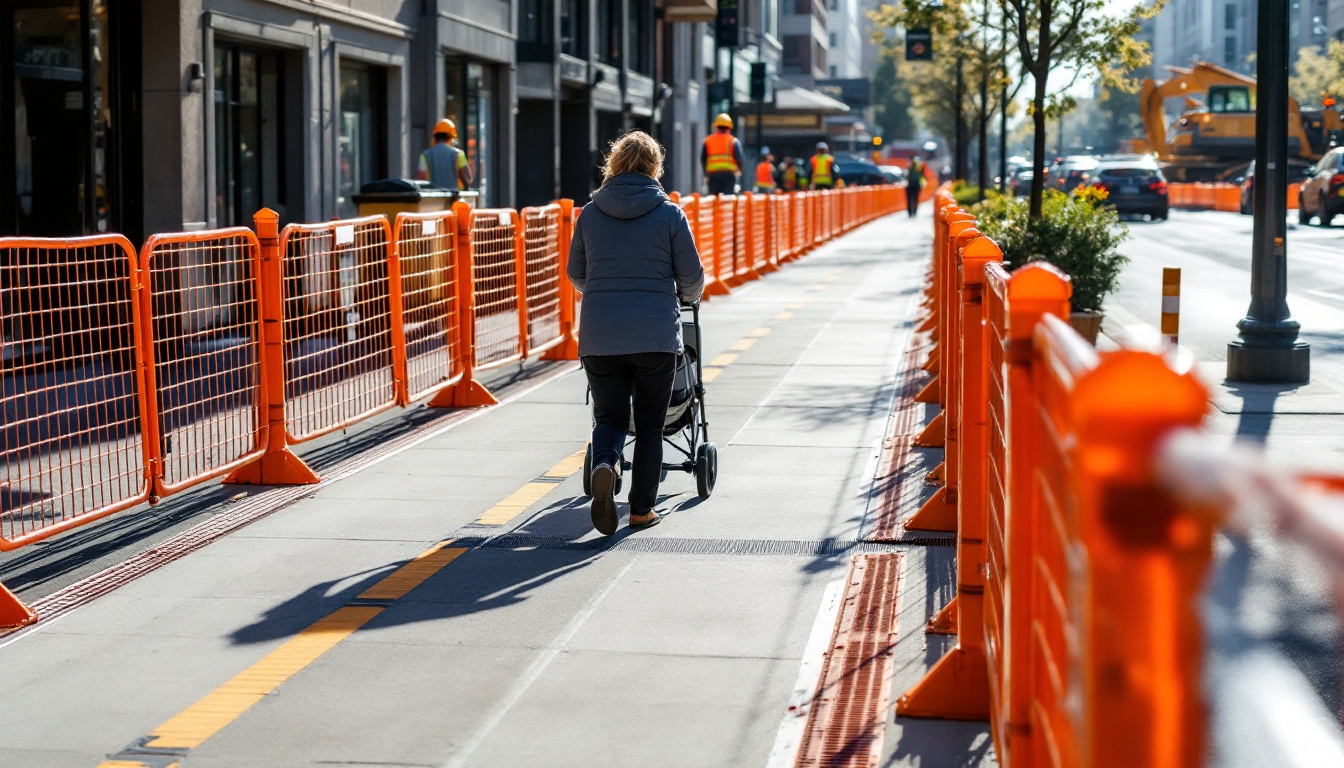
Pedestrian Accommodation in Work Zones
Closing a sidewalk is not the same as closing a lane. What the traffic control manual and federal accessibility guidelines expect when your work zone crosses a pedestrian route, and why 'Sidewalk Closed, Cross Here' is often not an acceptable answer.
Aug 2, 2026 · 6 min read
Compliance and work-zone safety
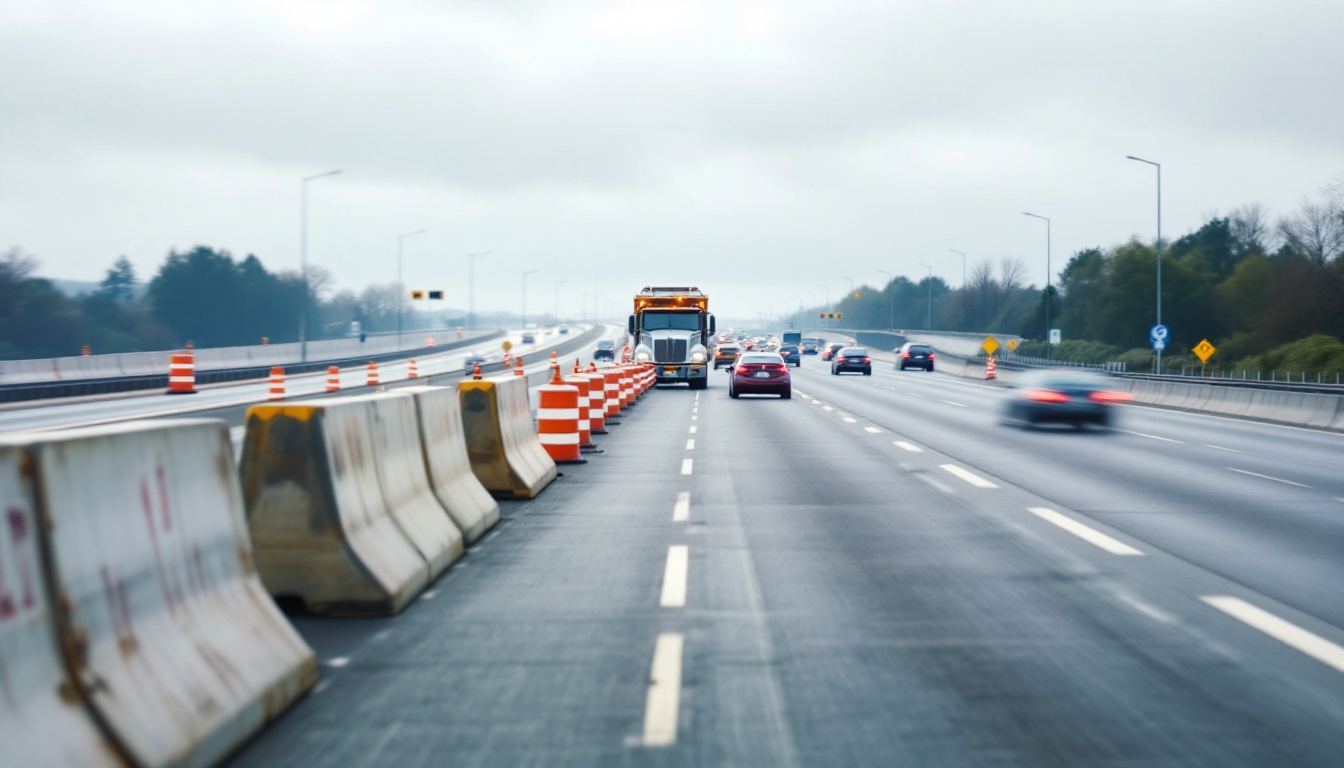
Positive Protection in Work Zones: What the Federal Rule Actually Requires
Barrier, attenuators, and shadow vehicles are not interchangeable with cones. A careful read of 23 CFR 630 Subpart K — what positive protection means, when the federal rule says to consider it, and what a contractor is actually on the hook for.
Aug 2, 2026 · 11 min read

Compliance and work-zone safety
Work Zone Intrusions: Prevention, Response, and the Data Nobody Collects
An intrusion is a vehicle entering the work space. Most of them hurt nobody and appear in no federal dataset — which is exactly why they are the most useful safety signal a traffic control company can capture, and the one almost nobody does.
Aug 2, 2026 · 11 min read

Compliance and work-zone safety
Work Zone Speed Management and Automated Enforcement
Speeding is a factor in roughly a third of fatal work zone crashes. What speed management actually consists of beyond posting a reduced limit, how automated work zone enforcement programs are structured, and what any of it changes for the contractor setting up the zone.
Aug 2, 2026 · 6 min read
Compliance and work-zone safety
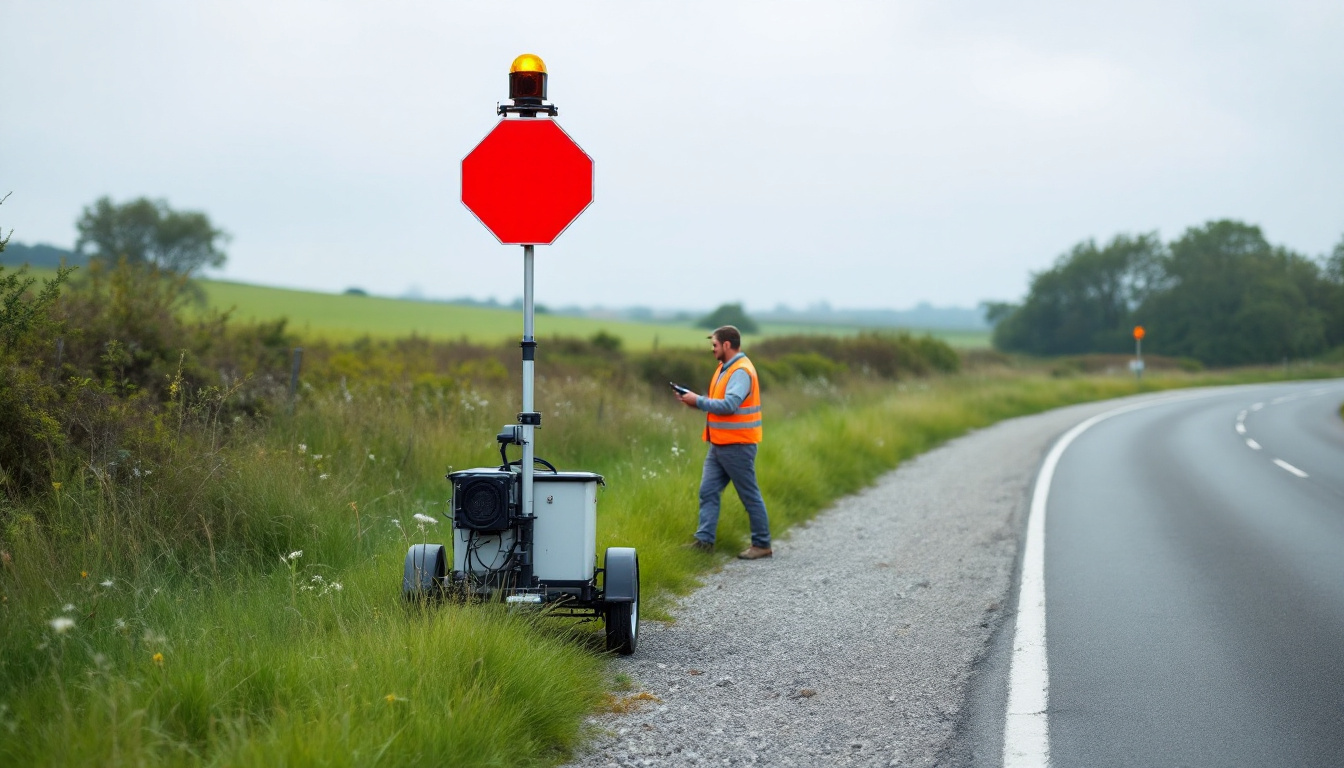
Automated Flagger Assistance Devices (AFADs), Explained
What AFADs are, the two types the MUTCD recognises, the two deployment methods and when one flagger can run both ends, where AFADs are and are not allowed, and how to think about the labor and equipment economics honestly.
Jul 26, 2026 · 11 min read

Compliance and work-zone safety
Taper Length and Buffer Space, Explained
How the MUTCD treats tapers and buffer space in a temporary traffic control zone — the taper types and their length criteria, what buffer space is actually for, the mistakes that show up on real closures, and why the 11th Edition renumbering matters for your documents.
Jul 26, 2026 · 12 min read
Compliance and work-zone safety
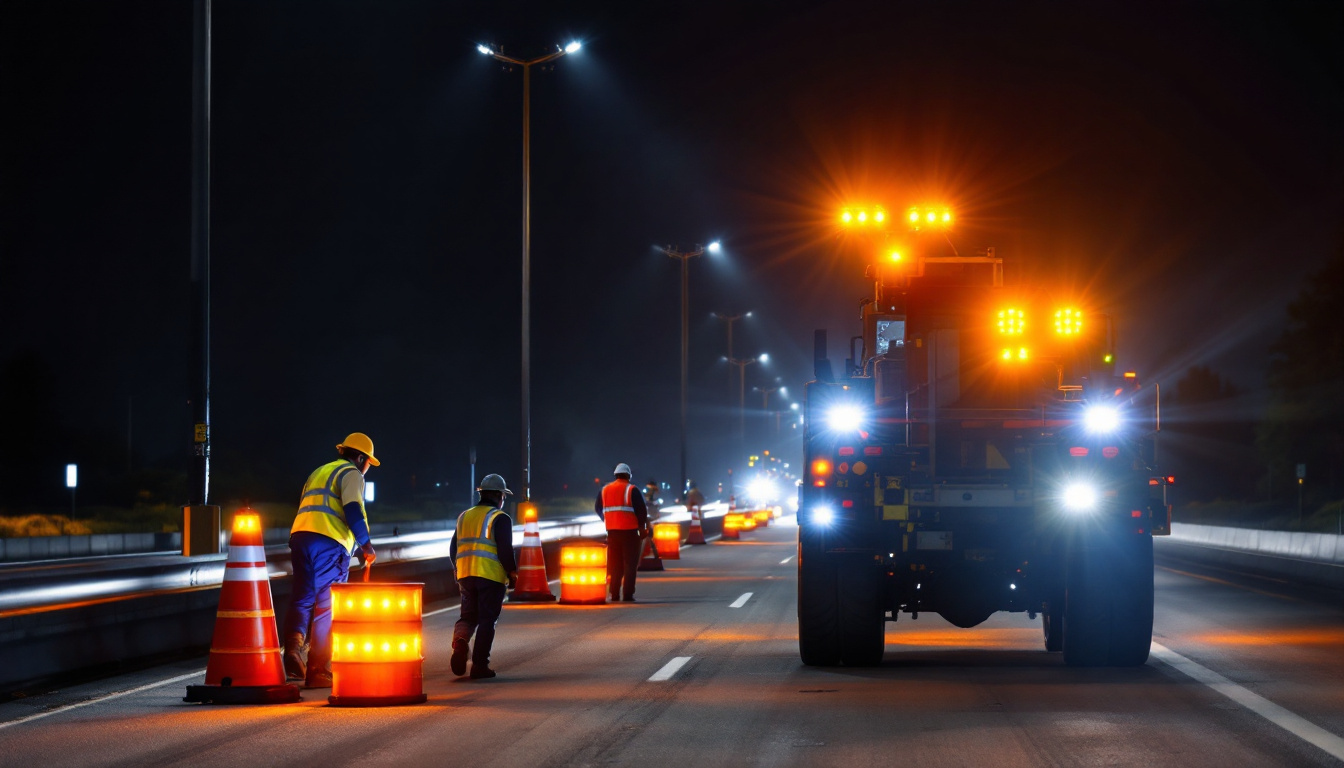
Night Work Traffic Control: What Changes After Dark
Night lane closures are not day closures in the dark. Visibility, inspection scrutiny, crew fatigue, and cost structure all shift — here is what changes and what to plan for.
Jul 25, 2026 · 5 min read

Compliance and work-zone safety
OSHA Work Zone Requirements for Traffic Control Contractors
OSHA writes no traffic control plans — but it enforces the standards a plan implements. Here is how Subpart G, the MUTCD reference, and struck-by hazards actually apply to a traffic control crew.
Jul 25, 2026 · 11 min read

Compliance and work-zone safety
The Four Areas of a Temporary Traffic Control Zone, Explained
Advance warning, transition, activity, termination — what each area of a TTC zone does, how tapers and buffer space fit in, and why the field setup so often drifts from the approved plan.
Jul 25, 2026 · 12 min read

Compliance and work-zone safety
Flagger Certification Requirements: What Actually Governs Flagging
Who sets flagger requirements, how OSHA and the MUTCD interact, what certification does and does not prove, and how traffic control companies keep credentials current across a rotating crew.
Jul 21, 2026 · 11 min read

Compliance and work-zone safety
High-Visibility Apparel for Work Zones: How the Requirement Works
Where the high-visibility apparel requirement actually comes from, how ANSI/ISEA 107 relates to OSHA and the MUTCD, and why garment condition matters as much as garment class.
Jul 21, 2026 · 5 min read

Compliance and work-zone safety
MUTCD Part 6 Explained: Temporary Traffic Control for Contractors
What MUTCD Part 6 covers, how the four areas of a temporary traffic control zone fit together, what changed in the 11th Edition, and how the manual becomes an OSHA obligation.
Jul 21, 2026 · 11 min read

Compliance and work-zone safety
Work Zone Safety Statistics: What the Federal Data Actually Says
Work zone crash and fatality data from FHWA and the Work Zone Safety Information Clearinghouse, read carefully — what the numbers cover, where they disagree, and what they mean for the crews inside the cones.
Jul 21, 2026 · 11 min read

Compliance and work-zone safety
What Is a Traffic Control Plan? Components Explained
A traffic control plan defines how road users move safely past a work zone. Here are its components, who approves it, and how crews document it in the field.
Jul 20, 2026 · 11 min read