Blog / topic
Compliance and work-zone safety
MUTCD, OSHA and the rules that shape every work zone, explained with their sources. 45 articles.

Compliance and work-zone safety
How to Find the Official MUTCD Online (and Make Sure You Are Reading the Current Edition)
Where the official MUTCD lives online, why there is no HTML version of the 11th Edition, how Revision 1 fits in, and how to check which edition your state and your job actually follow.
Nov 1, 2026 · 5 min read

Compliance and work-zone safety
MUTCD Interim Approvals and Official Interpretations: What Traffic Control Contractors Should Know
Interim approvals and official interpretations change what an agency may use between MUTCD editions, but they do not all bind anyone the same way. Here is how each works, who can ask for one, and how to handle them on a job.
Nov 1, 2026 · 5 min read

Compliance and work-zone safety
Cold Stress and Winter Work for Traffic Control Crews
Flaggers stand still in wind for hours, which makes them more exposed to cold than most construction trades. Here is what OSHA says about cold stress, why wind chill and wet feet matter more than the thermometer, and how a traffic control company can plan winter shifts, clothing and rotations.
Oct 10, 2026 · 7 min read

Compliance and work-zone safety
DOT Drug and Alcohol Testing for Traffic Control Crews: Who Is in the Program and What It Requires
Federal drug and alcohol testing rules follow the commercial driver's license, not the job title. For a traffic control company that usually means attenuator truck and heavy trailer drivers are in the program and flaggers on foot are not. Here is how the rule defines who is covered, the six kinds of tests, the Clearinghouse queries and the records to keep.
Oct 10, 2026 · 13 min read

Compliance and work-zone safety
The 2025 Texas MUTCD Explained for Traffic Control Contractors
Texas replaced the 2011 TMUTCD with a 2025 edition that took effect January 18, 2026, and every project letting on or after July 1, 2026 has to comply with it. Here is what the manual is, how the transition dates work, what is different in Part 6, and what a traffic control company should change in its yard and its paperwork.
Oct 10, 2026 · 13 min read

Compliance and work-zone safety
Large Trucks in Work Zones: What the Crash Data Shows and What a Traffic Control Setup Can Do About It
Large trucks are involved in roughly three in ten fatal work zone crashes. What the federal data says, what the MUTCD asks plan designers and crews to consider for commercial vehicles, and the practical setup, detour and queue decisions that matter most when the traffic is heavy with trucks.
Oct 2, 2026 · 14 min read

Compliance and work-zone safety
Preventing Backover Incidents in Work Zones: Spotters, Blind Areas and the Controls That Work
Backing vehicles kill workers on foot inside the work space, including flaggers and traffic control crews. What the federal data shows, what OSHA and the MUTCD say about backing, how spotters and blind areas actually work, and what a traffic control company should put in place.
Oct 2, 2026 · 13 min read

Compliance and work-zone safety
Types of Lane Closures Explained: Shoulder, Single-Lane, Multi-Lane, Lane Shift and Full Closure
A traffic control lane closure is not one setup. How shoulder closures, right- and left-lane closures, interior and multiple-lane closures, lane shifts, one-lane two-way operations, mobile closures and full road closures differ under the MUTCD, and what each means for crew, devices and price.
Oct 2, 2026 · 16 min read

Compliance and work-zone safety
PPE for Traffic Control Crews: What OSHA and the MUTCD Require Beyond the Vest
High-visibility apparel gets the attention, but a traffic control crew's protective equipment is a whole kit with its own rules — hard hats, eye protection, footwear, hearing, weather gear — plus the question of who pays. Here is where each requirement comes from and how to run a PPE program that holds up.
Sep 23, 2026 · 11 min read

Compliance and work-zone safety
Flagger Hand-Signaling Procedures Explained: Paddle, Flag and the Single-Flagger Rule
How the MUTCD expects a flagger to stop, release and slow traffic, when a red flag is acceptable, when one flagger can run a one-lane two-way closure instead of two, and what a traffic control company should build around those rules.
Sep 17, 2026 · 14 min read

Compliance and work-zone safety
Roadside Work Beyond the Shoulder: Mowing, Tree Work and Utility Access
Work 15 feet or more from the traveled way may need little or no traffic control — until equipment crosses the road, vehicles park on the shoulder, or a crew walks out for a tool. What the MUTCD says, and where the real hazard sits.
Sep 17, 2026 · 6 min read

Compliance and work-zone safety
Shoulder and Median Work Traffic Control Explained
Shoulder work looks like the easy job and is where a lot of struck-by risk lives. What the MUTCD requires when you close a shoulder, when a shoulder job becomes a lane closure, how freeway shoulders differ, what changes in the median, and how to run these jobs without cutting corners.
Sep 17, 2026 · 11 min read

Compliance and work-zone safety
Work Zone Data Exchange (WZDx) Explained for Traffic Control Companies
Agencies are publishing machine-readable work zone feeds so navigation apps and vehicles know where your closure is. What WZDx is, who publishes it today, where the data comes from, and what a traffic control contractor should do about it now rather than in five years.
Sep 17, 2026 · 11 min read

Compliance and work-zone safety
ADA and Temporary Pedestrian Access Routes in Work Zones
Closing a sidewalk creates an accessibility obligation that sits outside the MUTCD and outside your contract. Here is where the requirement comes from, what an alternate pedestrian access route has to do, and why 'sidewalk closed, cross here' is the most expensive sign in the trade.
Sep 11, 2026 · 12 min read

Compliance and work-zone safety
OSHA Recordkeeping for Traffic Control Companies
What the injury and illness recordkeeping rules require, why the small-employer exemption is narrower than owners assume, and how the records you keep end up in prequalification packages.
Sep 11, 2026 · 6 min read
Compliance and work-zone safety
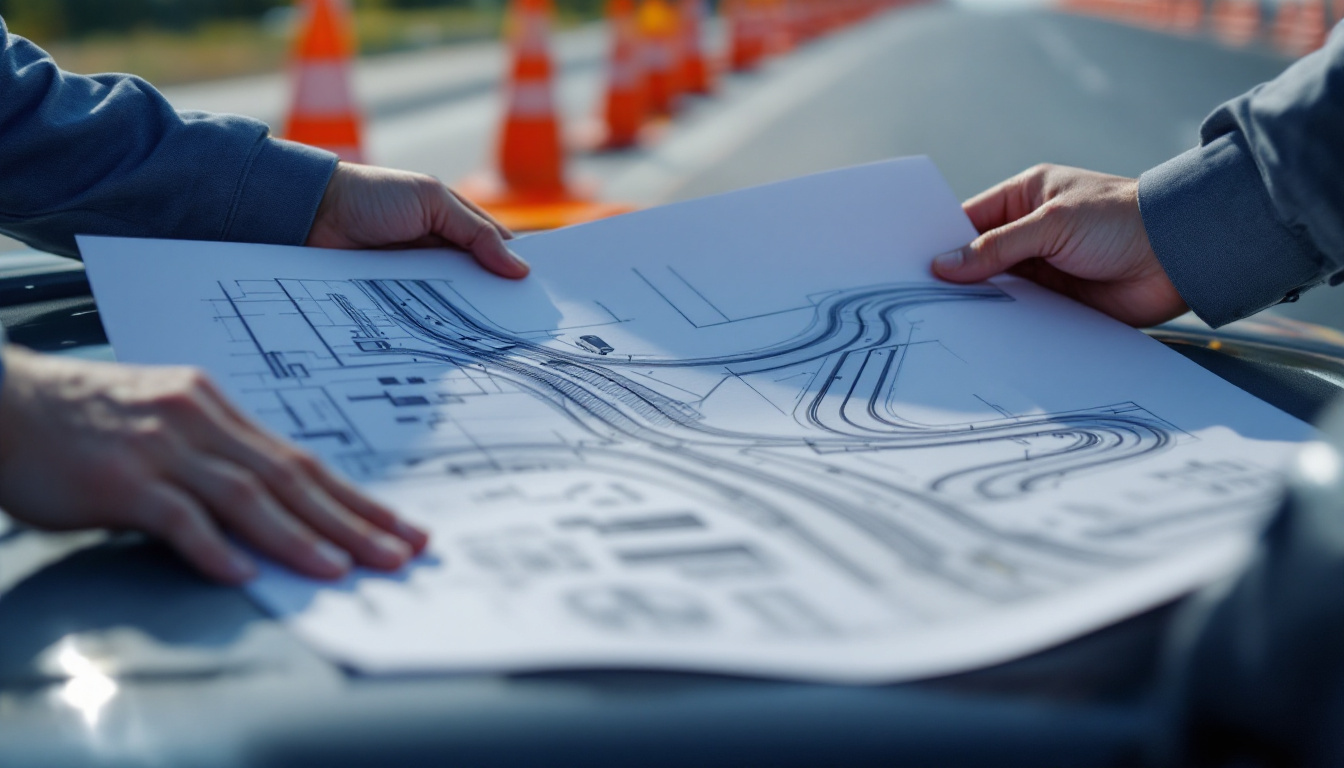
MUTCD Typical Applications: How to Use Them (and How Crews Misuse Them)
The 54 Typical Applications moved from Chapter 6H to Chapter 6P in the 11th Edition. What a TA actually is, what weight it carries, and why treating one as a finished plan is the most common mistake in the trade.
Aug 29, 2026 · 11 min read

Compliance and work-zone safety
Traffic Control at Incident and Emergency Scenes: What MUTCD Chapter 6O Requires
Unplanned scenes have their own chapter in the manual — three duration classes, an Incident Command System requirement, and permission to use whatever devices are on the truck. What that means for a contractor who gets the call.
Aug 29, 2026 · 6 min read
Compliance and work-zone safety
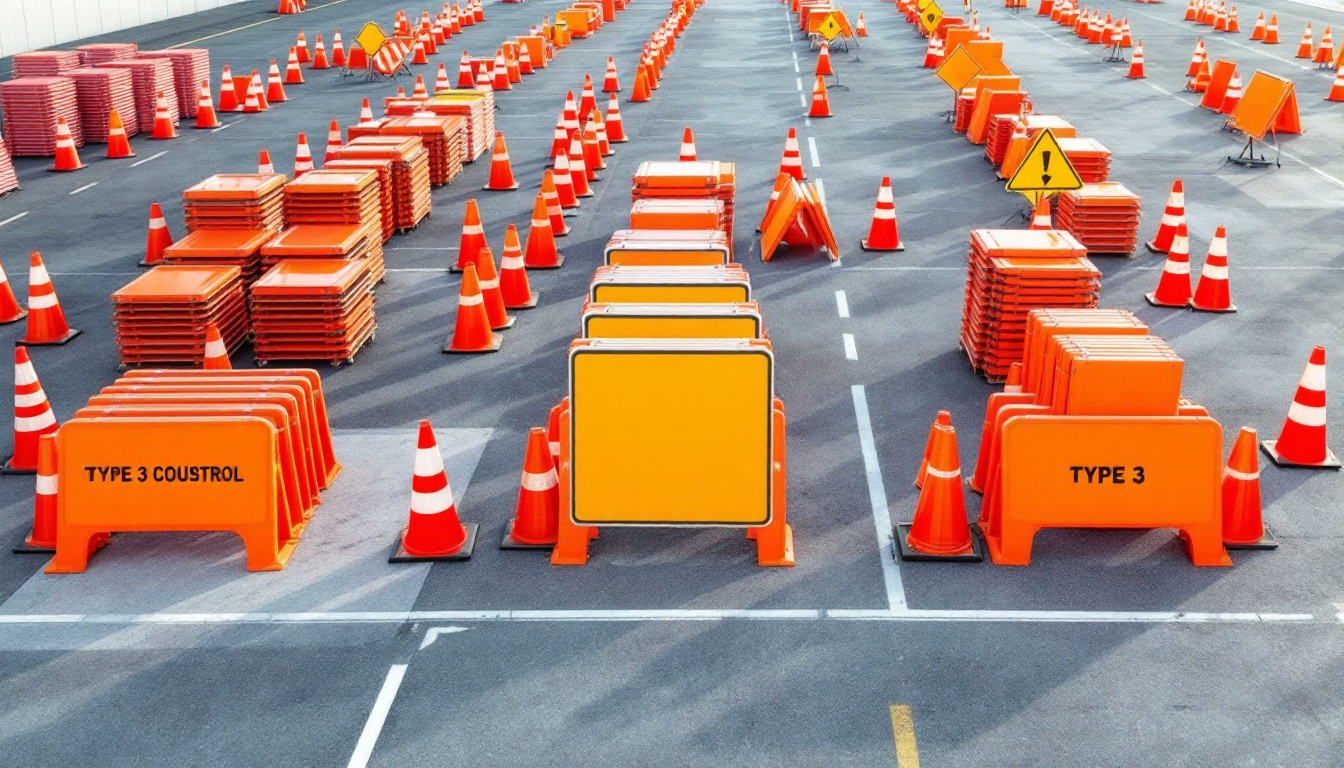
Traffic Control Glossary: The Terms That Actually Matter on a Job
A working glossary of temporary traffic control — the zone areas, taper types, device classes, plan documents, and business terms — with the MUTCD sections and rules behind each one.
Aug 29, 2026 · 11 min read

Compliance and work-zone safety
Flagger Station Setup and Escape Routes: The Part Crews Skip
Where a flagger station belongs, how stopping sight distance sets that location, why the escape route is a real planning step, and what the standard requires at night.
Aug 23, 2026 · 12 min read

Compliance and work-zone safety
Law Enforcement in Work Zones: When It Helps and How It Gets Paid For
What a uniformed officer and marked patrol car actually change in a work zone, when an agency requires one versus when you elect one, and how the hours get procured, scheduled, and billed.
Aug 23, 2026 · 7 min read

Compliance and work-zone safety
One-Lane, Two-Way Traffic Control: The Five Methods and When Each Fits
Flagger control, flag transfer, pilot car, temporary signals, and stop or yield control — what the standard permits, the limits on each, and how the choice changes crew cost.
Aug 23, 2026 · 12 min read
Compliance and work-zone safety
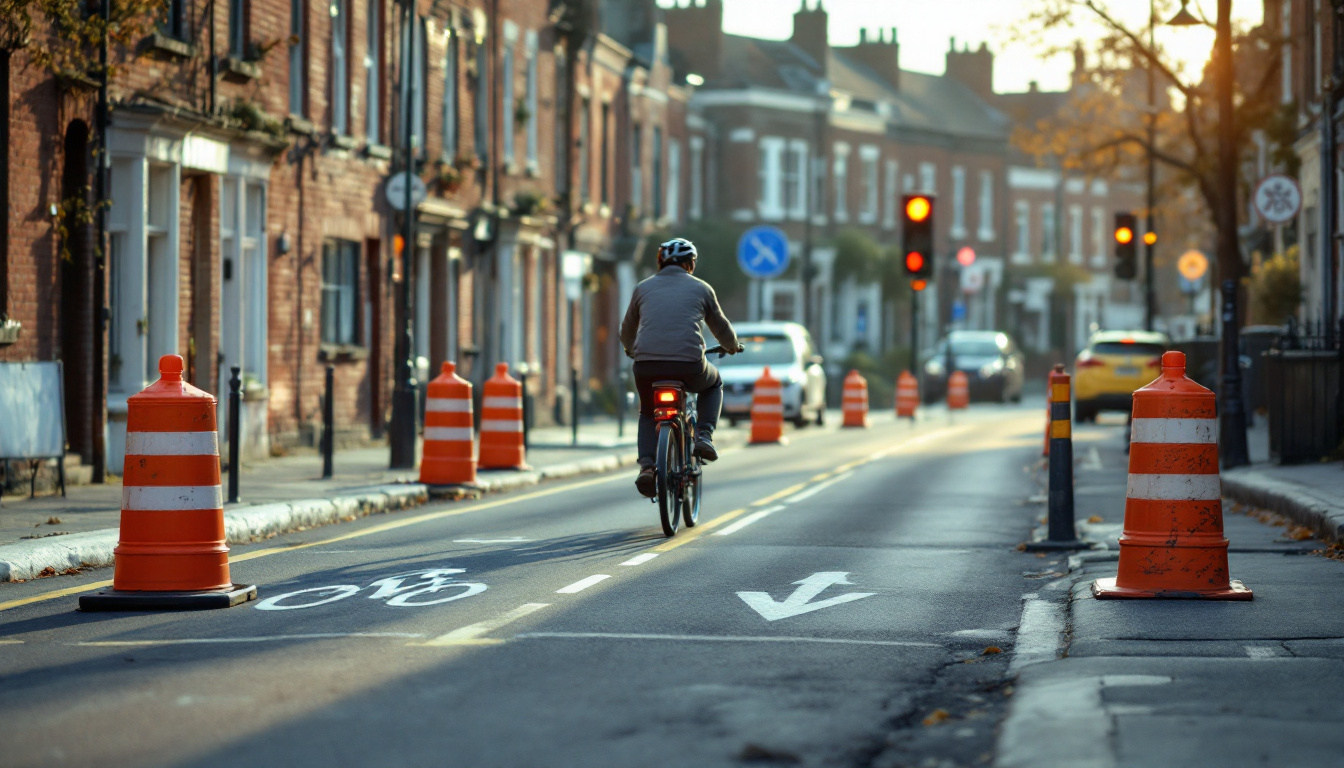
Bicycle Accommodation in Work Zones: What the MUTCD Actually Requires
Bike lanes get closed with cones and no plan more often than any other facility in a work zone. Here is what the 11th Edition says, where the thresholds sit, and why routing cyclists onto the pedestrian path is the one thing you cannot do.
Aug 19, 2026 · 6 min read

Compliance and work-zone safety
Heat Illness Prevention for Traffic Control Crews: Where the Rules Stand
Flaggers stand on asphalt in full-sleeve hi-viz with no shade. There is no final federal heat standard yet, but there is a proposed one, a General Duty Clause, and a growing set of state rules — here is what applies now.
Aug 19, 2026 · 6 min read
Compliance and work-zone safety
The Work Zone Safety and Mobility Rule (23 CFR 630 Subpart J), Explained
The federal rule behind every TMP, significant-project designation, and transportation operations component — what it actually requires, which projects it captures, and what it means for a traffic control subcontractor.
Aug 19, 2026 · 11 min read