Blog
Operations playbooks for traffic control crews
Field notes, software comparisons, and operational deep-dives for traffic control, barricade rental, and lane-closure operators.

Aug 23, 2026
California Work Zone Requirements: What Traffic Control Contractors Should Know
How California layers Cal/OSHA construction safety orders, its own CA MUTCD, and Caltrans closure procedures — and what a traffic control subcontractor needs in place before the first cone goes down.

Aug 23, 2026
Customer Portals for Traffic Control Companies: What They Change
What a customer portal actually does for a traffic control company, what your GCs and agencies want to see, what you should never expose, and the honest limits of portal adoption.
Aug 23, 2026
Equipment Theft and Vandalism in Traffic Control: Reducing a Cost Nobody Budgets
What actually walks off a yard and a live job site, the deterrents that are worth the money, and the paperwork that decides whether you recover anything or just absorb it.

Aug 23, 2026
Flagger Station Setup and Escape Routes: The Part Crews Skip
Where a flagger station belongs, how stopping sight distance sets that location, why the escape route is a real planning step, and what the standard requires at night.

Aug 23, 2026
Florida Work Zone Requirements: What Traffic Control Contractors Should Know
How Florida adopts the MUTCD, where the Florida Greenbook applies instead, what FDOT's Standard Plans 102 series covers, and what a subcontractor should have ready before working in a Florida work zone.

Aug 23, 2026
GPS Time Clock for Traffic Control Crews: What to Know Before You Roll One Out
Why time tracking is unusually hard in traffic control, what geofencing does and does not prove, how clock data feeds job costing and payroll, and how to introduce it without losing your crews.

Aug 23, 2026
Law Enforcement in Work Zones: When It Helps and How It Gets Paid For
What a uniformed officer and marked patrol car actually change in a work zone, when an agency requires one versus when you elect one, and how the hours get procured, scheduled, and billed.

Aug 23, 2026
Master Service Agreements and Rate Sheets for Traffic Control Work
Why repeat customers want an MSA with an attached rate sheet instead of a quote per call-out, what belongs on the rate sheet, and how to keep three customers with three different price books straight.
Aug 23, 2026
One-Lane, Two-Way Traffic Control: The Five Methods and When Each Fits
Flagger control, flag transfer, pilot car, temporary signals, and stop or yield control — what the standard permits, the limits on each, and how the choice changes crew cost.

Aug 23, 2026
Overtime and FLSA Basics for Traffic Control Crews
Why night work, standby, and travel make overtime unusually easy to get wrong in this trade — the 40-hour rule, what the regular rate includes, and the federal contract layer on top.

Aug 23, 2026
The Numbers a Traffic Control Owner Should Actually Watch
A short, defensible KPI set for a traffic control company — what each number tells you, how each one gets gamed, where the data has to come from, and which popular metrics are noise.

Aug 23, 2026
Pricing Standby, Show-Up Time, and Cancellations on Traffic Control Jobs
The three situations that eat unbilled hours — cancelled on arrival, held on site, released early — and how to put minimums, show-up pay, and cancellation windows in the rate sheet before the argument starts.

Aug 23, 2026
Temporary Rumble Strips in Work Zones: What They Do and When They Help
What temporary rumble strips are for, where they go in the advance warning area, how removable and milled versions differ, the maintenance and noise problems nobody mentions, and an honest read on the evidence.
Aug 23, 2026
Traffic Control Plans for Bridge and Structure Work
Why bridge and structure jobs break the normal traffic control playbook — no shoulder to borrow, barrier instead of cones, staged decks, overhead work over live lanes — and what that changes in the plan and in the field.

Aug 23, 2026
Work Zone Impacts and Road User Cost: Why the Agency Cares What Your Closure Costs Drivers
What road user cost is, the components FHWA breaks it into, how it drives lane rental and incentive contracts and closure windows — and why understanding it wins traffic control contractors work.

Aug 19, 2026
Bicycle Accommodation in Work Zones: What the MUTCD Actually Requires
Bike lanes get closed with cones and no plan more often than any other facility in a work zone. Here is what the 11th Edition says, where the thresholds sit, and why routing cyclists onto the pedestrian path is the one thing you cannot do.

Aug 19, 2026
Detour Route Planning and Signing: What It Actually Takes
A detour is not a road closure with a sign at each end. It is a second roadway you are responsible for, across jurisdictions you may not have permission from, signed over its entire length — and priced accordingly.

Aug 19, 2026
Heat Illness Prevention for Traffic Control Crews: Where the Rules Stand
Flaggers stand on asphalt in full-sleeve hi-viz with no shade. There is no final federal heat standard yet, but there is a proposed one, a General Duty Clause, and a growing set of state rules — here is what applies now.
Aug 19, 2026
Managing Seasonality in a Traffic Control Business
Highway work is one of the most weather-driven industries in construction. The companies that survive February are not the ones that had a better July — they are the ones that priced, staffed, and financed for the shape of the year.

Aug 19, 2026
Maryland Work Zone Requirements: What Traffic Control Contractors Should Know
How MDOT SHA handles work zone traffic control plans, certified traffic managers, flagger cards, lane-closure windows and automated speed enforcement — and what a contractor or permittee needs in place before the first cone goes down.

Aug 19, 2026
Offline-First Field Apps for Traffic Control Crews: What to Test Before You Buy
Work zones sit in cuts, under overpasses, and on rural highways where coverage fails. A field app that needs a connection to save a ticket will lose tickets — here is how to test for it in a demo instead of finding out in month three.

Aug 19, 2026
Payment Bond Claims on Public Traffic Control Jobs: How the Process Works
You cannot lien a public road. On federal work the Miller Act payment bond replaces the lien — with a 90-day notice window and a one-year deadline that quietly decide whether a traffic control sub gets paid.

Aug 19, 2026
Renting vs Buying Traffic Control Equipment: How to Decide
Utilization decides most of it, but not all. Crashworthiness standards, storage and transport cost, and what happens to a device you own when the standard changes are the parts that turn a good spreadsheet into a bad decision.

Aug 19, 2026
ServiceTitan Alternative for Traffic Control Contractors: How to Choose
ServiceTitan is built for residential and commercial service trades and prices per technician. Here is what a traffic control or barricade company should evaluate instead, and the five structural mismatches that decide it.

Aug 19, 2026
Smart Work Zones and Queue Warning Systems: What They Do and When They Pay
Rear-end crashes at the back of a queue are one of the most common fatal work zone crash types. Queue warning systems exist to address exactly that — here is how they work, what the evaluation data actually shows, and when they belong in a bid.

Aug 19, 2026
Software for Drawing Traffic Control Plans: What Actually Matters
CAD, agency standard sheets, or purpose-built TCP software — what each is good for, what the MUTCD actually requires of a plan and its author, and why the handoff from drawing to field crew is the part that decides whether the plan works.

Aug 19, 2026
Submitting a Traffic Control Plan for Approval: The Process, Start to Finish
Approval timelines are the hidden schedule risk on permit work. Here is what a submittal package generally contains, who reviews it, how long revisions take, and the habits that keep a start date from slipping.

Aug 19, 2026
Taking Card Payments for Barricade Rentals: What to Set Up and What It Costs
Card acceptance shortens collection on the smaller commercial jobs that otherwise sit in receivables — but rentals bill repeatedly, and the setup that works for a one-time sale does not work for a device on site for six weeks.

Aug 19, 2026
Traffic Control Supervisor Certification, Explained
Flagger cards are the credential everyone knows about. TCS is the one that decides whether your company can bid certain work — and the one most likely to expire quietly while the holder is still on the payroll.

Aug 19, 2026
The Work Zone Safety and Mobility Rule (23 CFR 630 Subpart J), Explained
The federal rule behind every TMP, significant-project designation, and transportation operations component — what it actually requires, which projects it captures, and what it means for a traffic control subcontractor.

Aug 8, 2026
Adverse Weather Traffic Control Operations: Rain, Wind, Heat, and Ice
Weather changes device behavior, marking performance, driver capability, and crew endurance all at once. Here is how to plan setups, staffing, and stand-down decisions around it.

Aug 8, 2026
The Daily Dispatch Routine for a Traffic Control Company
What a working dispatch day actually looks like — the afternoon-before build, the morning release, the midday reality check, and the end-of-day close — plus the three habits that separate companies that dispatch well from those that firefight.

Aug 8, 2026
Equipment Fleet Replacement Planning for Traffic Control Companies
Most traffic control companies replace devices when they break, which means replacement spending is unpredictable and always badly timed. Here is how to build a replacement cycle you can budget.

Aug 8, 2026
Internal Traffic Control Plans: Controlling the Traffic Inside Your Own Work Zone
A traffic control plan protects the public from the work zone. An internal traffic control plan protects workers from the equipment inside it — the hazard that kills more road workers than passing motorists on many projects.

Aug 8, 2026
MASH Compliance for Work Zone Devices: What It Means for Your Inventory
MASH changed which crashworthy devices can be installed on federal-aid projects, and the manufacture date on your barricades and sign supports now matters. Here is how the agreement works and how to audit an existing fleet.

Aug 8, 2026
Measuring Safety Performance in Your Own Traffic Control Company
National work zone statistics describe a country, not your operation. Which metrics actually tell you whether your company is getting safer, how to collect them without a research budget, and how to present them to an agency or an underwriter.
Aug 8, 2026
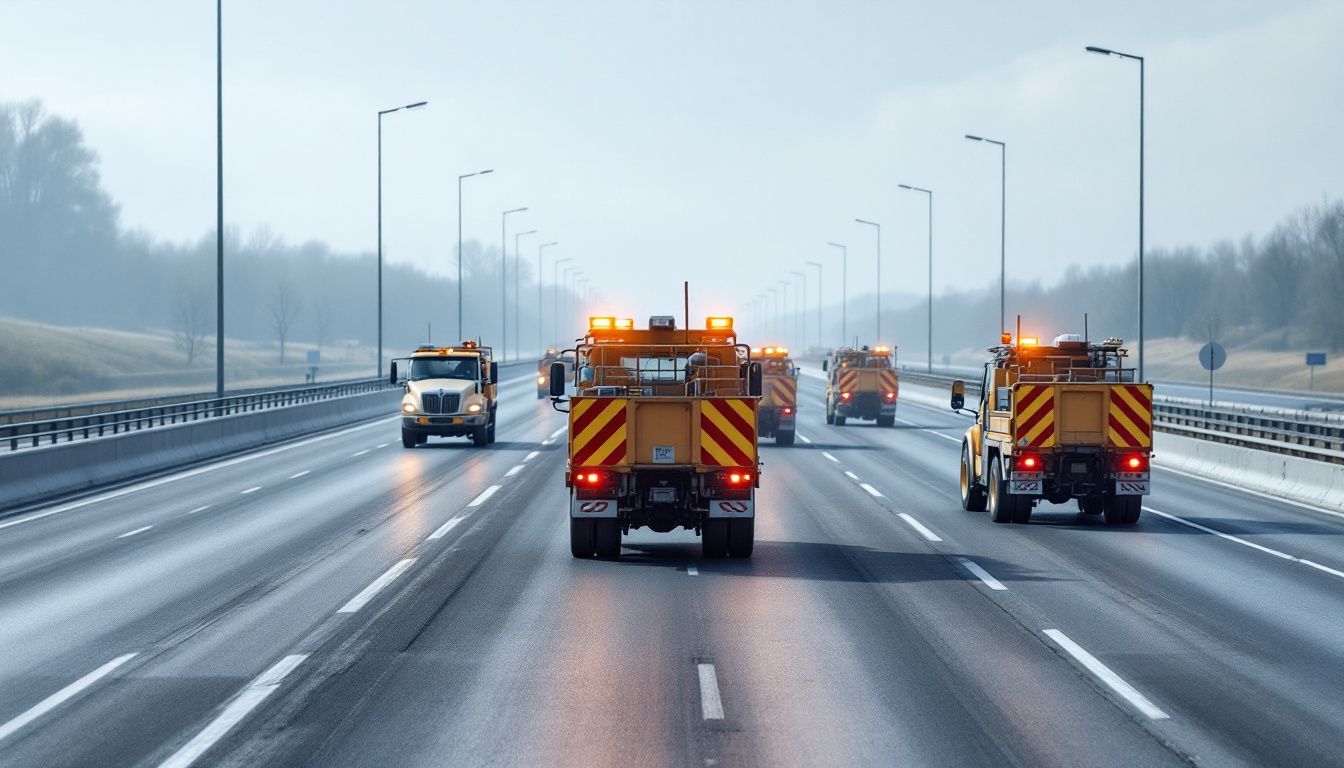
Moving Operations and Rolling Lane Closures: How They Work
Rolling roadblocks and continuously moving work zones are among the highest-skill operations a traffic control company performs. What makes them different, where the risk concentrates, and what has to be agreed before the crew rolls.

Aug 8, 2026
Tracking Permits Across Multiple Jurisdictions Without Losing One
Traffic control companies routinely hold permits from a dozen different agencies at once, each with its own portal, lead time, and expiry. Here is how to structure the tracking so an expired permit never becomes a stop-work order.
Aug 8, 2026
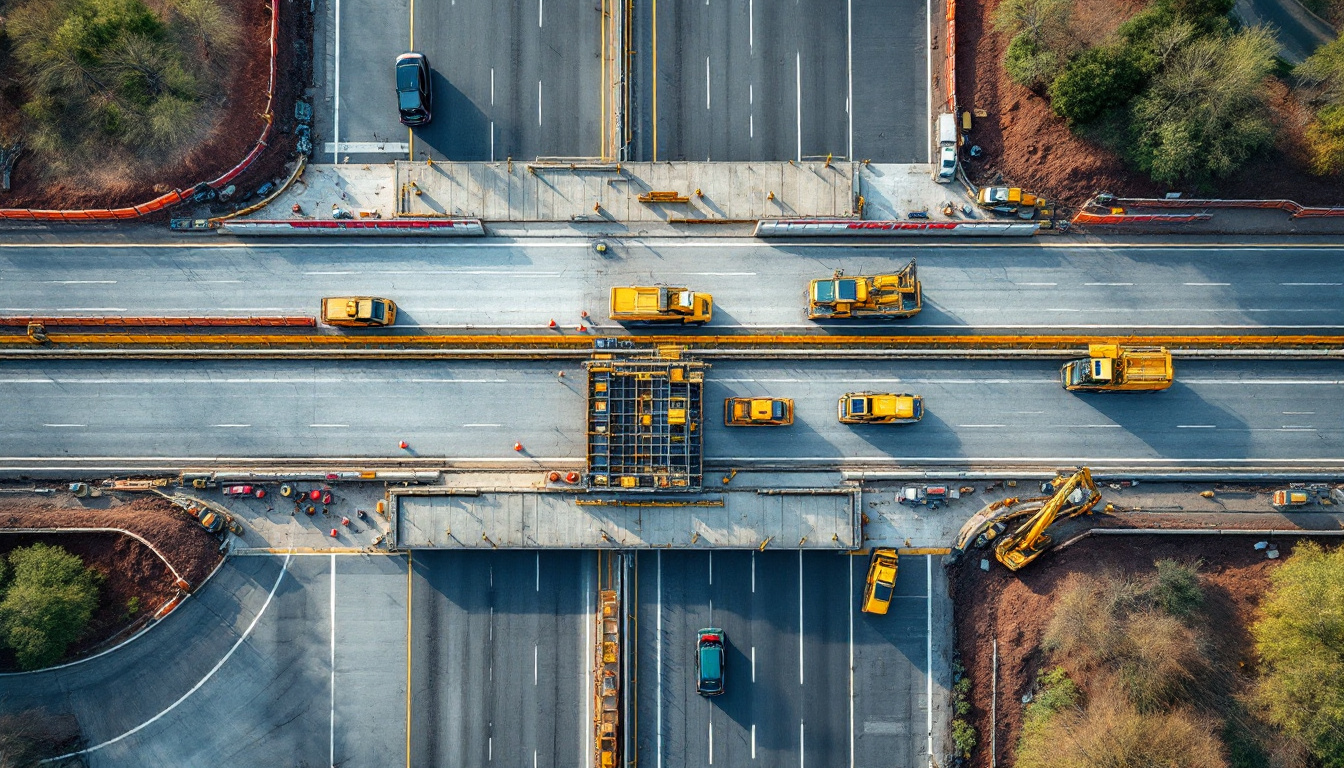
Traffic Control Plans for Phased Construction: Managing the Handoffs
On a phased project the dangerous moments are not the phases — they are the transitions between them. Here is how phased TCP packages are structured, what goes wrong at handoffs, and how contractors stay ahead of the sequence.
Aug 8, 2026
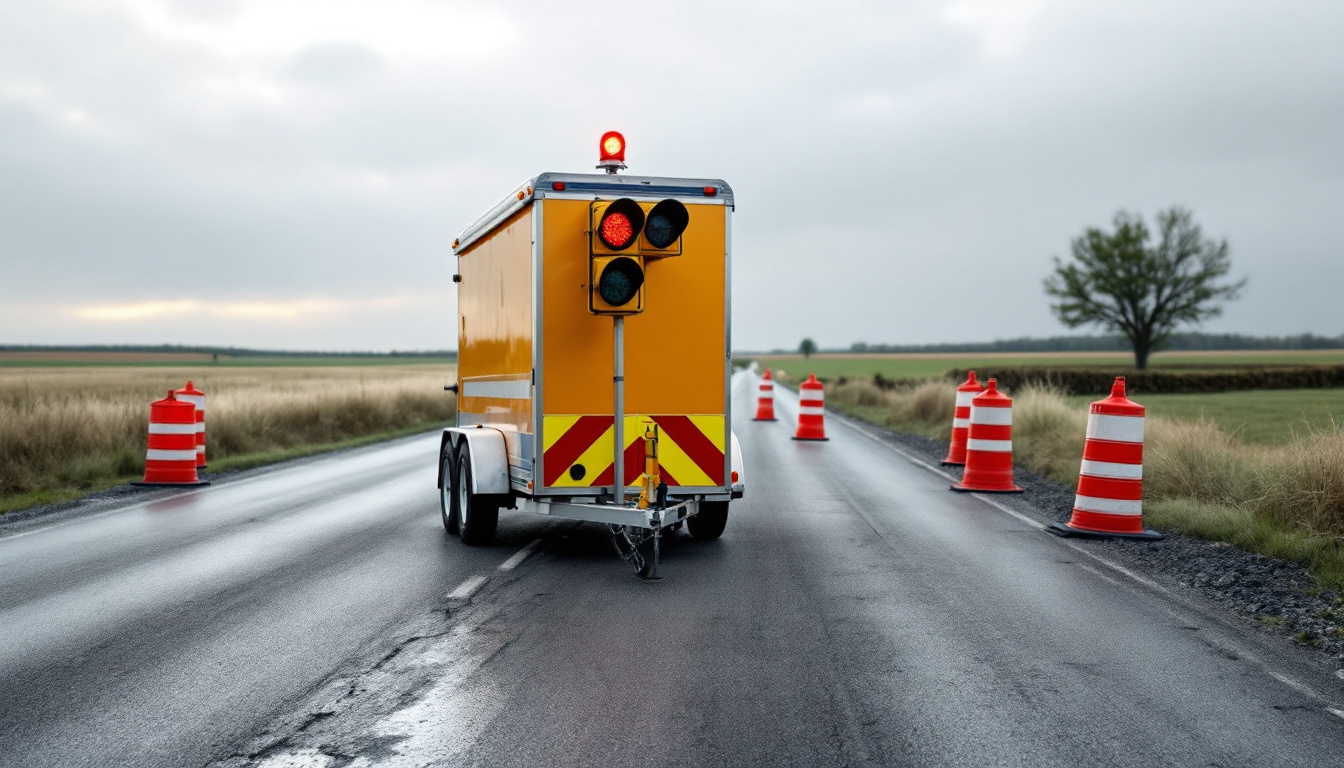
Portable Traffic Signals in Work Zones: When They Beat Flaggers
Temporary portable signals can control one-lane two-way operations without putting a person in the road. Where they fit, what they cost to run properly, and the failure modes that catch companies deploying them for the first time.

Aug 8, 2026
Purchase Orders and Vendor Management for Traffic Control Companies
Unmanaged buying is one of the quietest margin leaks in a growing traffic control company. What a purchase order process should actually control, how to manage device and rental vendors, and where the savings really are.

Aug 8, 2026
Quoting Traffic Control Jobs Faster Without Quoting Them Worse
How traffic control companies cut quote turnaround from days to hours using a device catalog, reusable job templates, and a clear escalation rule — and which jobs should still take a day to price.
Aug 8, 2026
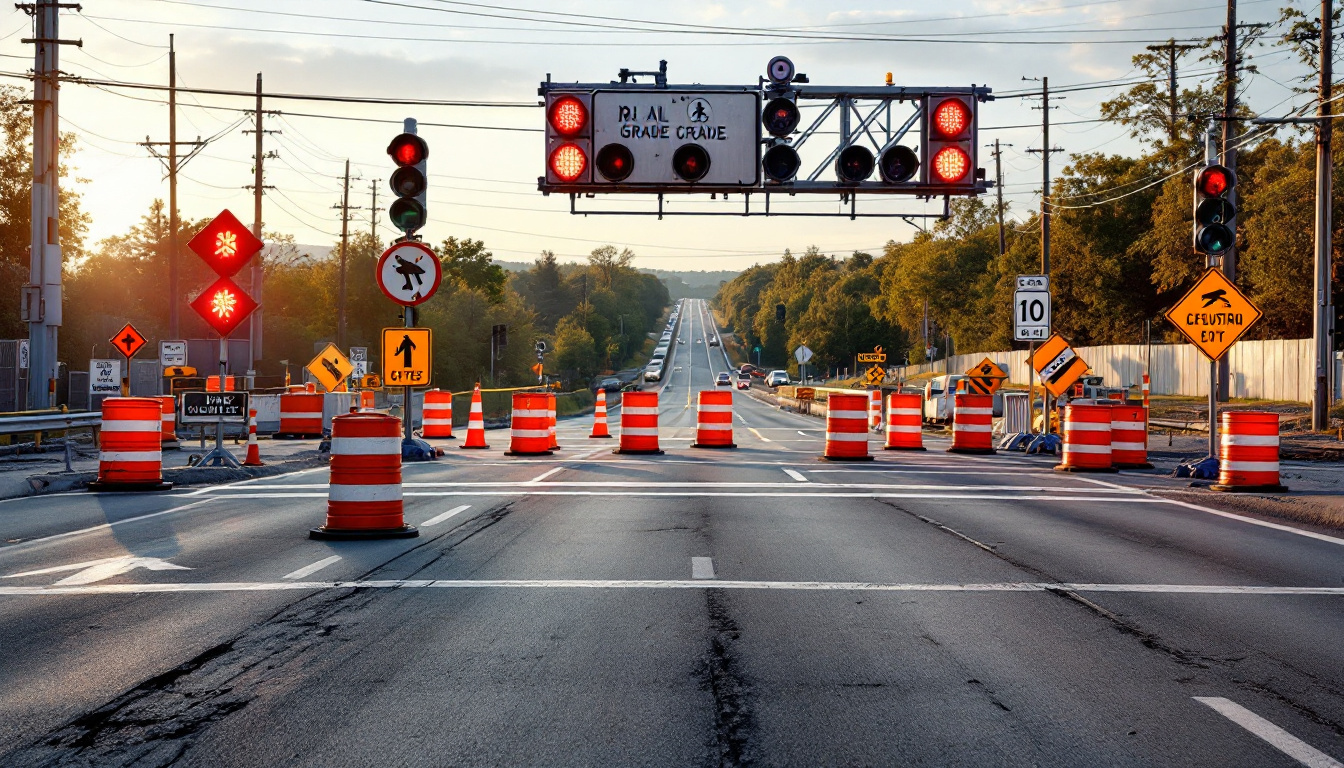
Work Zones at Highway-Rail Crossings: What Changes and Who You Have to Call
A lane closure near a grade crossing introduces a second authority, a queue you must never create, and coordination lead times most contractors underestimate. Here is what changes.

Aug 8, 2026
Retainage and Cash Flow on Traffic Control Contracts
Traffic control companies carry labor and equipment costs weekly and get paid on construction timelines. Retainage makes the gap worse. Here is how the cash cycle actually works and where it can be shortened.

Aug 8, 2026
Rolling Out New Software to Traffic Control Crews Without Losing the Season
Most traffic control software failures are rollout failures, not product failures. Here is a sequencing approach that gets field adoption without betting a season on it.

Aug 8, 2026
Scaling a Traffic Control Company: What Breaks at Each Stage
The operational failure points that show up as a traffic control or barricade rental company grows — from one crew to five, five to fifteen, and fifteen to fifty — and what actually has to change at each threshold.

Aug 8, 2026
Short-Duration and Mobile Work Zones Explained
The federal framework treats a three-week closure and a twenty-minute operation as different problems. Here is how work duration categories are structured, why fewer devices can be the safer choice, and what that means for pricing and crew instruction.

Aug 8, 2026
Sign Retroreflectivity and Device Condition: When a Device Stops Counting
A faded sign and a scuffed drum are not cosmetic problems — a device that no longer performs is functionally not there. How condition standards work, how to run an inspection that catches decline, and how to make retirement a budget line rather than a surprise.

Aug 8, 2026
How State DOT Work Zone Requirements Vary — And How to Work Across Them
Why two states can both be fully compliant with the federal framework and still demand different devices, plans, certifications, and paperwork — and how a traffic control contractor should organize to work in more than one of them.

Aug 8, 2026
Tailgate Safety Meetings That Crews Actually Use
Most toolbox talks are a signature exercise. What a five-minute pre-task briefing should contain for a traffic control crew, why it should be site-specific rather than topical, and how to keep the record without turning it into paperwork.

Aug 8, 2026
Temporary Pavement Markings in Work Zones: What Contractors Need to Get Right
Temporary markings decide whether a shifted alignment reads correctly at 60 mph at night. Here is how tape, paint, and removable markings differ, what the standards actually require, and where crews and agencies most often collide.

Aug 8, 2026
The Best Field-Service Software for Traffic Control and Flagging Operations
A direct answer for traffic control and flagging companies evaluating field-service software, plus the four capabilities that decide the outcome — equipment as rented inventory, signed daily tickets, plan-linked compliance records, and pricing that does not punish headcount.

Aug 8, 2026
Traffic Management Software for Utility and Construction Contractors
Utility contractors who set up their own lane closures have a different software problem than dedicated traffic control companies. Here is what changes when traffic control is a supporting activity rather than the product.

Aug 8, 2026
What Is Temporary Traffic Control? A Working Definition for Contractors
Temporary traffic control is the discipline of moving road users safely past work that has taken part of the road away. Here is what the term actually covers, how the federal framework is structured, and where the contractor's obligations begin and end.
Aug 8, 2026
What Software Do Traffic Control Companies Use to Dispatch Flaggers and Equipment?
Most traffic control companies run on a mix of spreadsheets, texts, and general field-service software. Here is what each stack actually does, where it breaks, and what a purpose-built system has to handle.

Aug 8, 2026
Who Pays for the Traffic Control Plan? Sorting Out Contract Roles
On most projects it is unclear who prepares, seals, revises, and pays for the traffic control plan until someone needs a revision. Here is how the roles usually break down and what to settle before you bid.

Aug 8, 2026
Winning Repeat Traffic Control Work: Account Management for Contractors
Most traffic control companies chase bids and neglect the handful of relationships that produce the majority of their revenue. Here is what account management looks like in this industry.

Aug 8, 2026
Work Zone Inspections and Agency Audits: What Gets Checked
What an inspector actually looks at when they walk your work zone, how deficiencies escalate, and what documentation turns an awkward conversation into a two-minute one.

Aug 8, 2026
Work Zone Lighting and Light Towers: Getting Night Illumination Right
Night work needs light, and badly aimed light creates glare that makes the work zone more dangerous than darkness. Here is how illumination requirements, tower placement, and glare control actually work.
Aug 8, 2026
Yard Organization for Traffic Control Companies
The yard is where load-out speed, device condition, and inventory accuracy are decided. Here is how to lay one out so morning load-out stops being the bottleneck.

Aug 2, 2026
Bidding Municipal and Public-Agency Traffic Control Contracts
Public work runs on rules that private work does not: prequalification, bonding, prevailing wage, DBE participation, and a bid form that has to be filled out exactly. A practical walk through how traffic control companies win agency contracts without losing money on them.

Aug 2, 2026
Channelizing Devices: Cones, Drums, Tubular Markers, and Vertical Panels
The devices that make up most of a traffic control inventory, what each one is actually for, why they are designed to be knocked over, and how retroreflectivity quietly decides whether any of them work at night.

Aug 2, 2026
Charging for Damaged and Lost Traffic Control Devices
Device attrition is a real cost line that most traffic control companies absorb by default. How to track damage and loss to a job, when the contract lets you recover it, and why the evidence has to be captured before the devices come back.

Aug 2, 2026
Emergency Callout Dispatch for Traffic Control Companies
How traffic control companies actually dispatch after-hours and emergency callouts — the 2 a.m. utility break, the crash scene, the unplanned lane closure — and what a dispatch system has to do differently when the job arrives with no notice.

Aug 2, 2026
Field Changes to an Approved Traffic Control Plan
The site never quite matches the drawing. What a crew can adjust on its own authority, what has to go back for approval, and how to document a deviation so it protects you instead of indicting you.

Aug 2, 2026
FMCSA Requirements for Traffic Control Fleets
Attenuator trucks, sign trailers, and loaded flatbeds put a lot of traffic control companies inside federal motor carrier rules without them realizing it. The thresholds that matter, the Clearinghouse obligation people miss, and what to check on your own fleet.

Aug 2, 2026
How Traffic Control Plans Actually Get Drawn
Typical application, CAD drawing, dedicated TCP software, or an outside engineer — the four ways traffic control plans get produced, what each costs in time and money, and how to tell which one a given job needs.

Aug 2, 2026
Managing Recurring Lane-Closure Contracts and Long-Term Rentals
A six-month nightly closure is not thirty separate jobs and it is not one job either. How traffic control companies structure recurring closures, long-term device rentals, and the billing cycle that sits underneath them.

Aug 2, 2026
The MUTCD 11th Edition: What It Means for Work Zones, and Why Your State's Manual Still Differs
The 11th Edition of the MUTCD was published in December 2023 and states had until January 2026 to adopt it. What that deadline actually required, why your state manual may still say something different, and how to keep field templates from citing sections that no longer exist.
Aug 2, 2026
Pedestrian Accommodation in Work Zones
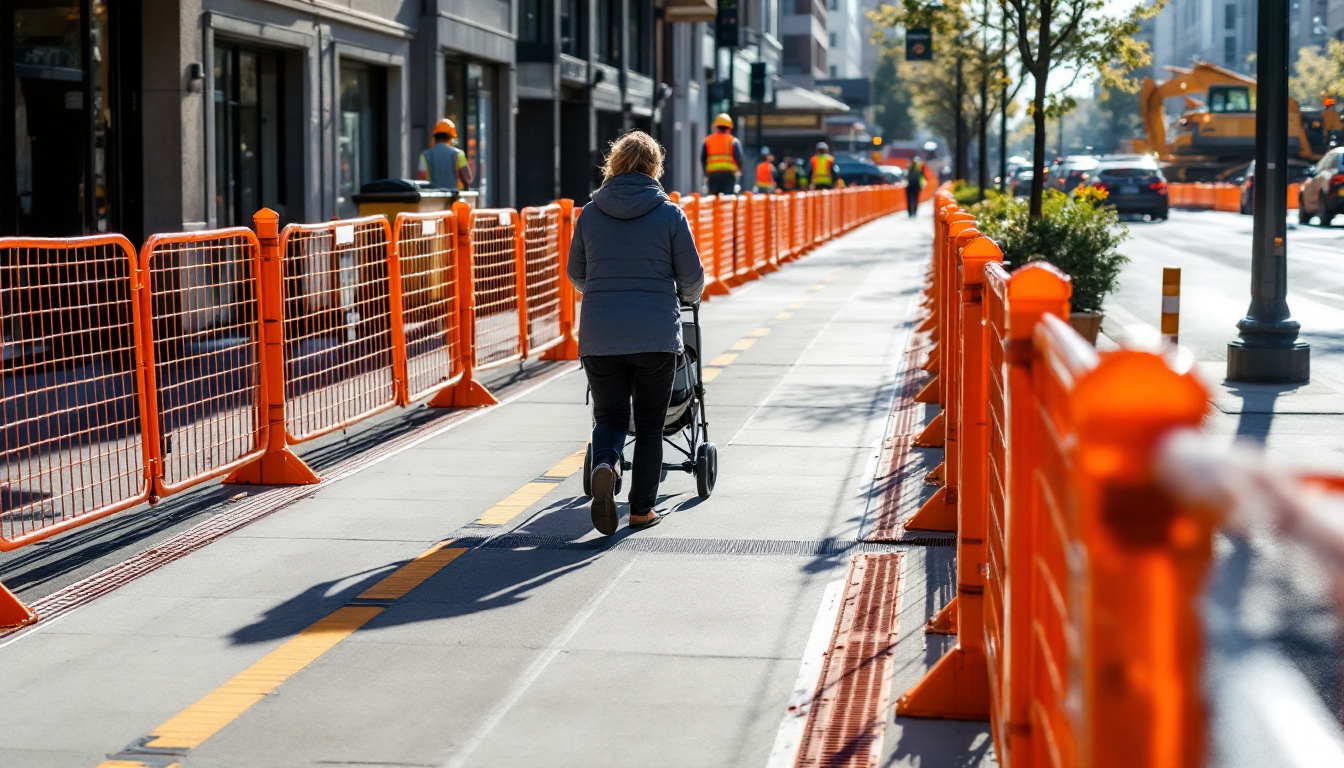
Closing a sidewalk is not the same as closing a lane. What the traffic control manual and federal accessibility guidelines expect when your work zone crosses a pedestrian route, and why 'Sidewalk Closed, Cross Here' is often not an acceptable answer.
Aug 2, 2026
Positive Protection in Work Zones: What the Federal Rule Actually Requires
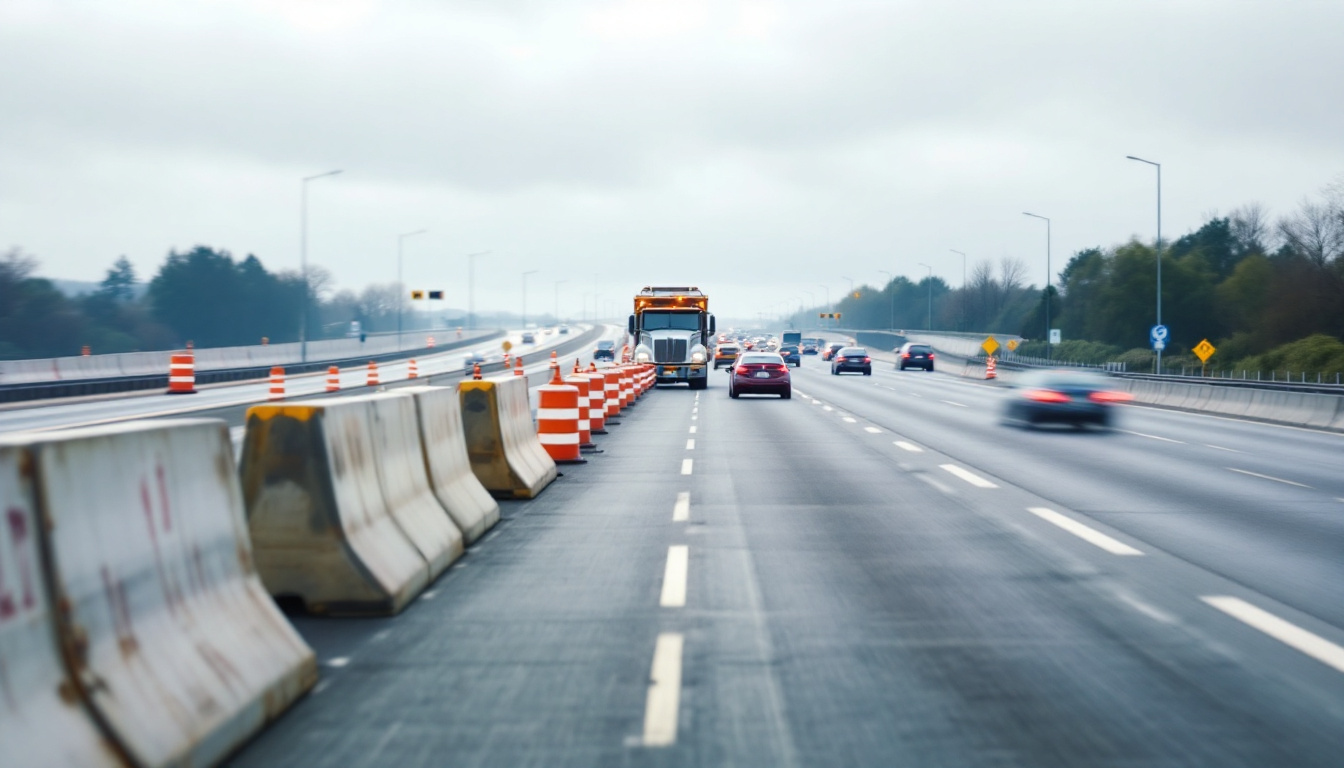
Barrier, attenuators, and shadow vehicles are not interchangeable with cones. A careful read of 23 CFR 630 Subpart K — what positive protection means, when the federal rule says to consider it, and what a contractor is actually on the hook for.

Aug 2, 2026
Safety Records and EMR in Traffic Control Prequalification
Agencies and general contractors increasingly score bidders on safety record before they look at price. What an experience modification rate is, what OSHA recordkeeping actually produces, and how a traffic control company builds a record that survives scrutiny.

Aug 2, 2026
Subcontracting Traffic Control Work: What to Nail Down First
Overflow work, out-of-area jobs, and specialty scopes all end up subcontracted. The terms that actually determine whether a traffic control sub relationship makes money or creates liability — and the ones people discover after the fact.

Aug 2, 2026
Work Zone Intrusions: Prevention, Response, and the Data Nobody Collects
An intrusion is a vehicle entering the work space. Most of them hurt nobody and appear in no federal dataset — which is exactly why they are the most useful safety signal a traffic control company can capture, and the one almost nobody does.

Aug 2, 2026
Work Zone Speed Management and Automated Enforcement
Speeding is a factor in roughly a third of fatal work zone crashes. What speed management actually consists of beyond posting a reduced limit, how automated work zone enforcement programs are structured, and what any of it changes for the contractor setting up the zone.
Jul 26, 2026
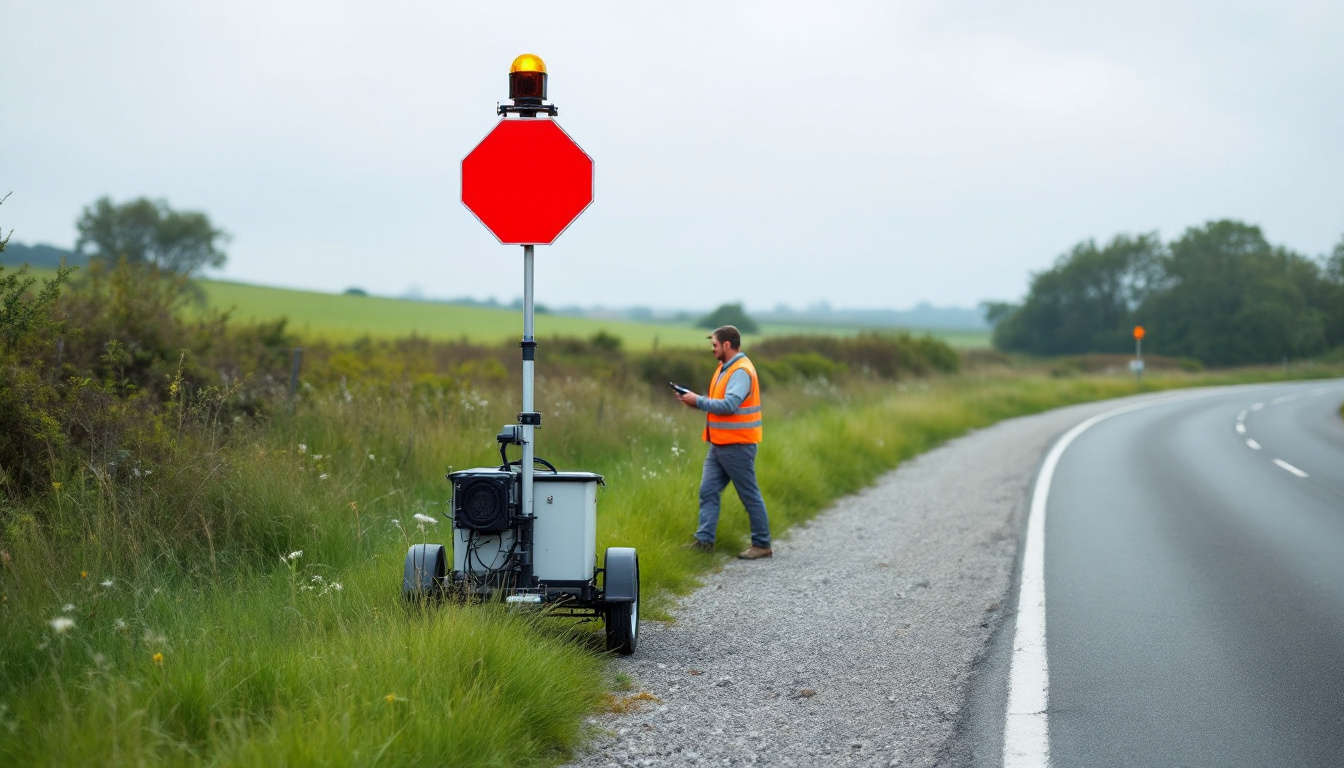
Automated Flagger Assistance Devices (AFADs), Explained
What AFADs are, the two types the MUTCD recognises, the two deployment methods and when one flagger can run both ends, where AFADs are and are not allowed, and how to think about the labor and equipment economics honestly.

Jul 26, 2026
How Traffic Control Companies Bill Equipment by the Day or Week Automatically
The mechanics of automated device-rental billing: what data has to exist for a rental line to generate itself, how daily, weekly and monthly cycles differ, the proration decisions that cause disputes, and where recurring lane-closure contracts break naive billing.

Jul 26, 2026
Change Orders on Traffic Control Jobs
Why traffic control work generates changes that never become change orders, the five most common uncaptured changes, and the field process that turns a scope change into a documented, billable one before the memory of it fades.

Jul 26, 2026
Insurance and Bonding for Traffic Control Contractors
The coverages traffic control companies are typically asked to carry, why bonding is a capacity constraint rather than a cost line, what the SBA guarantee program covers, and the documentation habits that make renewals and claims go differently.

Jul 26, 2026
Job Costing for Traffic Control Companies
How to build a job cost that actually reflects a traffic control job — the four cost buckets, why equipment-days are the one most companies get wrong, how to allocate the overhead that does not attach to any job, and the reports worth running weekly.

Jul 26, 2026
Per Diem and Travel Pay for Traffic Control Crews
How per diem and travel pay actually work for out-of-area traffic control work — the IRS substantiation methods and current rates, why travel time and per diem are separate questions, and how to price and record both without creating a payroll problem.

Jul 26, 2026
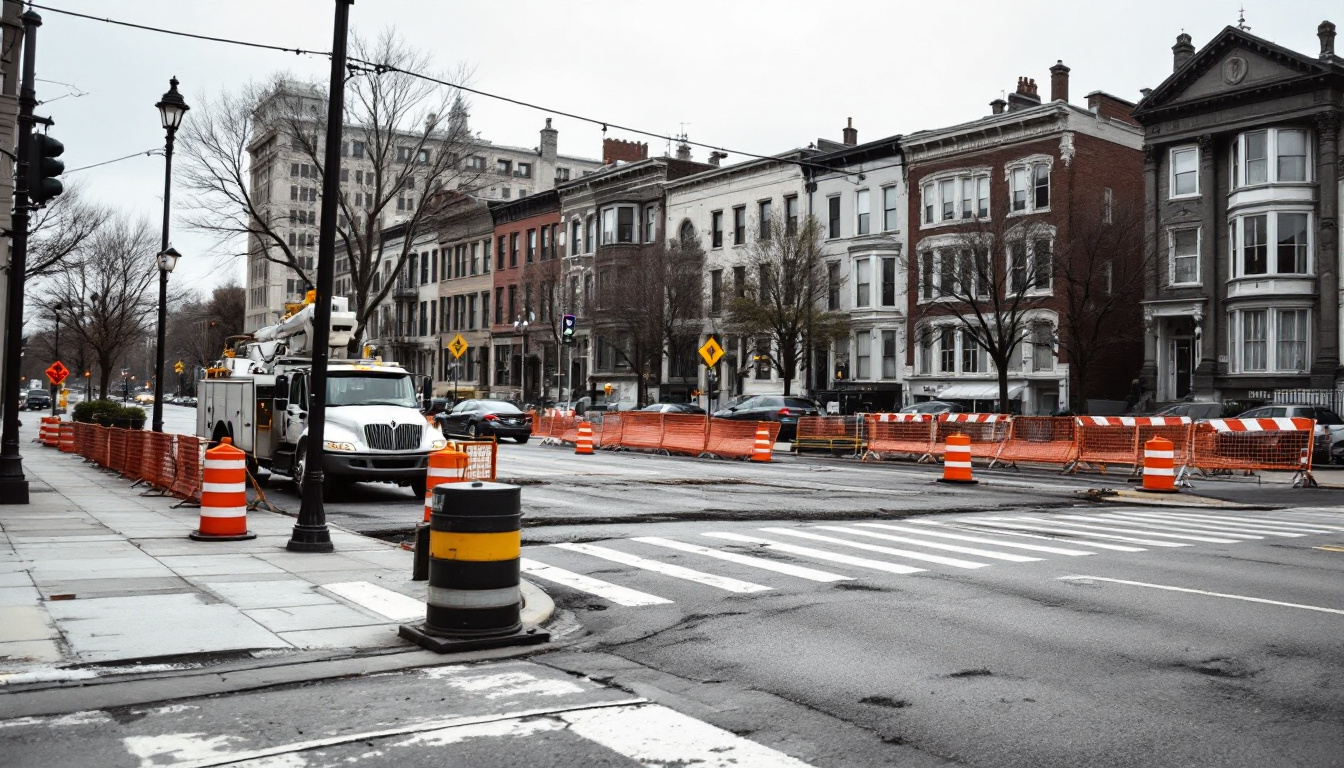
Reading a Traffic Control Plan in the Field
A crew-level guide to reading a TCP on site: what the letters and symbols mean, how to check the plan against the road you are actually looking at, what you may adjust and what you may not, and what to document when the two disagree.
Jul 26, 2026
Right-of-Way Permits for Traffic Control Work
What a right-of-way permit is, how it differs from a lane-closure permit, who typically issues one, what a submission usually contains, and how to track permit obligations across multiple jurisdictions without losing a job to an expired approval.

Jul 26, 2026
Special Event Traffic Control: Planning and Permits
How special event work differs from construction traffic control — pedestrian volumes as the primary design driver, compressed setup windows, multi-agency approval, and the commercial terms that decide whether event work is profitable or just visible.

Jul 26, 2026
Taper Length and Buffer Space, Explained
How the MUTCD treats tapers and buffer space in a temporary traffic control zone — the taper types and their length criteria, what buffer space is actually for, the mistakes that show up on real closures, and why the 11th Edition renumbering matters for your documents.

Jul 26, 2026
How Barricade Companies Track Which Devices Are on Which Job Site
The methods traffic control and barricade rental companies actually use to know where every cone, barricade, sign and arrow board is — why yard-count and spreadsheet approaches break down, and what a job-site-anchored inventory system has to do differently.

Jul 26, 2026
Traffic Control Plan Templates: When They Work and When They Don't
The difference between a MUTCD typical application, an agency standard drawing and a site-specific plan — where each is appropriate, why typical applications are minimums rather than templates, and how to build a reusable plan library without submitting the wrong thing.

Jul 26, 2026
Software for a One-Crew Flagging Company That's Growing Fast
What a small traffic control company actually needs from software at two crews versus six, which problems genuinely wait, the three signals that mean you have outgrown paper, and how to avoid buying twice.

Jul 26, 2026
Truck-Mounted Attenuators, Explained
What a TMA is, why a shadow vehicle without one is itself a hazard, how the MUTCD frames positive protection and shadow vehicle positioning, the inspection obligation after any hit, and how to think about owning versus subbing them.
Jul 26, 2026
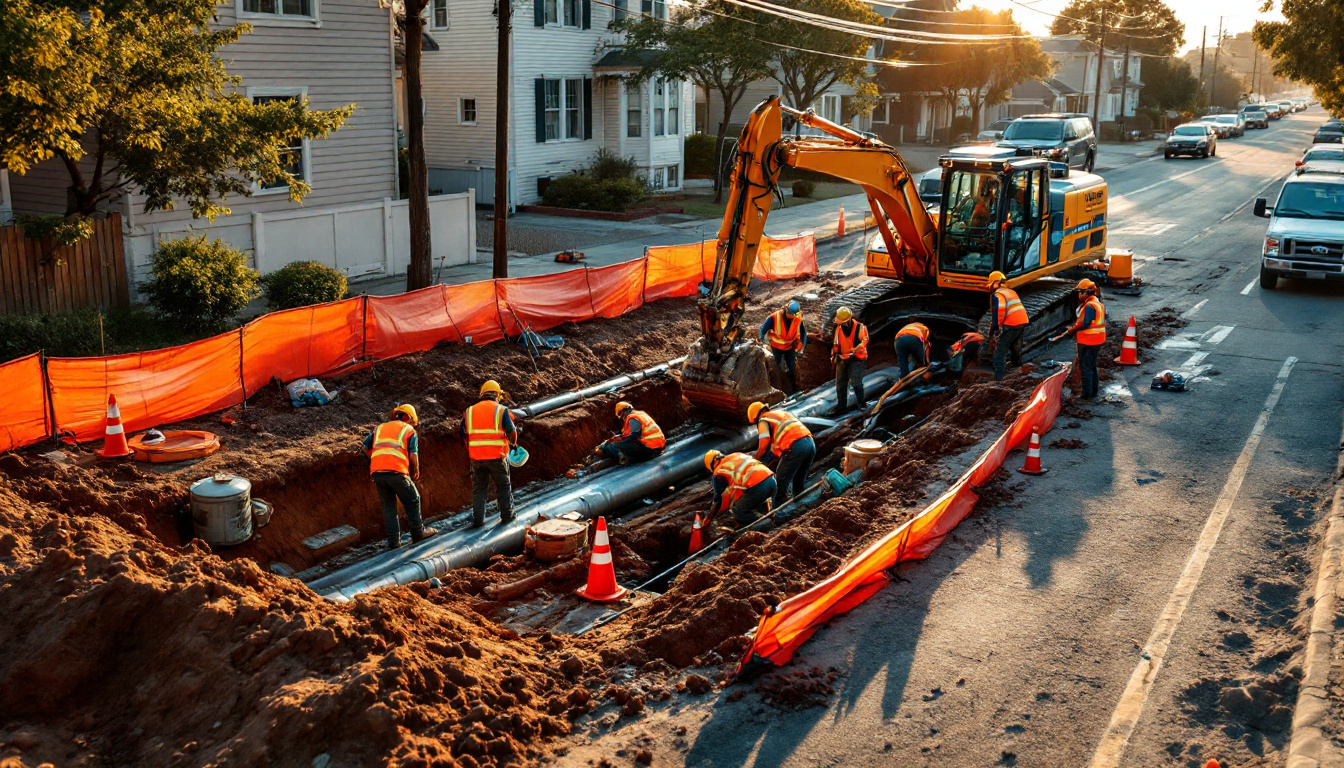
Utility Work Traffic Control: What Changes
Why utility jobs behave differently from road construction for a traffic control contractor — duration categories that shift mid-job, open excavations, moving work spaces, the coordination layer, and how to price work whose schedule you do not control.

Jul 25, 2026
Arrow Boards and Portable Message Signs, Explained
What each device is for, where they belong in the zone, how they differ, and why the ones you own are usually the hardest assets in your fleet to keep track of.
Jul 25, 2026
Barricade Rental Management Software: A Buyer's Guide
Renting devices is a different business from selling labor. Here is what barricade rental actually requires from software — multi-yard inventory, recurring billing, kits, loss and damage — and where generic field-service tools stop.
Jul 25, 2026
Crew Utilization: The Metric Most Traffic Control Companies Don't Track
Wage rates are known to the penny and utilization not at all — which is backwards, because utilization moves the economics harder and management can actually change it.
Jul 25, 2026
DOT Prequalification for Traffic Control Contractors: How It Works
Prequalification is the gate between subcontracting and bidding directly. Here is how the process generally runs, what the financial requirement really costs, and the deadlines that catch companies out.

Jul 25, 2026
What an Hour of Flagger Time Actually Costs: Building a Loaded Labor Rate
Base wage is the smallest part. Here is how to build a defensible loaded hourly cost for field labor — burden, non-productive time, utilization, prevailing wage, and the admin tail nobody prices.

Jul 25, 2026
Flagger Scheduling Software: What to Look For
Scheduling flaggers is not scheduling technicians. Certifications expire, jobs move overnight, and crews change at 5 a.m. Here is what actually matters in a scheduling tool for traffic control.
Jul 25, 2026
Getting Paid Faster: Invoicing for Traffic Control Contractors
Most late payment in this trade is not the customer stalling. It is a missing signature, a device count nobody can substantiate, or an invoice that went out eleven days after the work.
Jul 25, 2026
Night Work Traffic Control: What Changes After Dark
Night lane closures are not day closures in the dark. Visibility, inspection scrutiny, crew fatigue, and cost structure all shift — here is what changes and what to plan for.
Jul 25, 2026
OSHA Work Zone Requirements for Traffic Control Contractors
OSHA writes no traffic control plans — but it enforces the standards a plan implements. Here is how Subpart G, the MUTCD reference, and struck-by hazards actually apply to a traffic control crew.
Jul 25, 2026
Road Closure vs Lane Closure Permits: How They Differ
A lane closure narrows the road. A full closure removes it from the network. The permit processes differ in scope, review, notification, and lead time — here is how, and what to ask your agency.
Jul 25, 2026
The Four Areas of a Temporary Traffic Control Zone, Explained
Advance warning, transition, activity, termination — what each area of a TTC zone does, how tapers and buffer space fit in, and why the field setup so often drifts from the approved plan.
Jul 25, 2026
How to Price Traffic Control Device Rental Rates
Device rental pricing is an asset-return problem, not a market-matching exercise. Here is how to build a rate from replacement cost, utilization, and loss — and why most published rates are unusable.
Jul 25, 2026
What Drives the Cost of a Traffic Control Plan
TCP pricing varies more than almost any other line on a job. Here are the factors that actually move it — and why asking 'what does a TCP cost' rarely gets a useful answer.

Jul 25, 2026
Why Traffic Control Plans Get Rejected
Most TCP rejections are not engineering disputes. They are missing information, wrong-jurisdiction assumptions, and internal inconsistencies a reviewer cannot resolve without asking.
Jul 25, 2026
QuickBooks and Traffic Control Software: What to Get Right
Most traffic control companies keep the books in QuickBooks and run operations somewhere else. Here is where that seam leaks — and the four questions to ask before you connect anything.
Jul 25, 2026
TxDOT Work Zone Requirements: What Traffic Control Contractors Should Know
How TxDOT handles traffic control plans, device inspections, responsible persons, and contractor prequalification — and what a subcontractor needs in place before the first cone goes down.
Jul 21, 2026
Type I, II, and III Barricades: What the Types Actually Mean
How barricade types differ, where each is generally used, why substituting a lighter device is a false economy, and what tracking barricade inventory across yards actually requires.
Jul 21, 2026
Bidding Traffic Control Jobs: What Estimates Usually Miss
How traffic control estimates go wrong — the costs that hide outside the device count, why mobilization and standby are underpriced, and how job costing turns bidding into something you can improve.

Jul 21, 2026
Certified Payroll for Traffic Control Contractors: How It Works
What certified payroll requires on prevailing wage jobs, why classification is the hard part for traffic control crews, and how to capture the underlying time data so submissions are not archaeology.

Jul 21, 2026
Flagger Certification Requirements: What Actually Governs Flagging
Who sets flagger requirements, how OSHA and the MUTCD interact, what certification does and does not prove, and how traffic control companies keep credentials current across a rotating crew.
Jul 21, 2026
High-Visibility Apparel for Work Zones: How the Requirement Works
Where the high-visibility apparel requirement actually comes from, how ANSI/ISEA 107 relates to OSHA and the MUTCD, and why garment condition matters as much as garment class.

Jul 21, 2026
Hiring and Retaining Flaggers: What Actually Moves the Needle
Why flagger turnover is structurally high, which retention levers are real, and how scheduling practice affects whether people stay through a season.
Jul 21, 2026
Lane Closure Permits: How the Process Generally Works
How lane closure and road closure permitting typically works, what agencies usually ask for, why multi-jurisdiction tracking is the real operational problem, and what to ask your authority having jurisdiction.

Jul 21, 2026
Migrating Off Spreadsheets: A Traffic Control Operations Playbook
How to move a traffic control company off spreadsheets without losing a season — what to migrate first, what to leave behind, and the cleanup nobody budgets for.
Jul 21, 2026
MUTCD Part 6 Explained: Temporary Traffic Control for Contractors
What MUTCD Part 6 covers, how the four areas of a temporary traffic control zone fit together, what changed in the 11th Edition, and how the manual becomes an OSHA obligation.

Jul 21, 2026
Per-User vs Flat-Tier Software Pricing for Traffic Control Companies
Why per-seat software pricing fits traffic control badly, what it quietly does to your field data, and how to model both structures against peak-season headcount.
Jul 21, 2026
Preventing Daily Ticket Disputes in Traffic Control
Why daily ticket disputes happen, what a defensible ticket actually contains, and how to make field documentation fast enough that crews complete it every time.
Jul 21, 2026
TCP vs TMP vs MOT: What the Acronyms Actually Mean
Traffic control plan, transportation management plan, and maintenance of traffic are not interchangeable terms. Here is how they differ, how they nest, and why agencies use them inconsistently.
Jul 21, 2026
Traffic Control Dispatch Software: A Buyer's Guide
How to evaluate dispatch and field software for a traffic control company — what general field-service platforms miss, which requirements are non-negotiable, and how to run an evaluation that survives contact with your crews.

Jul 21, 2026
Who Can Prepare or Seal a Traffic Control Plan?
Whether a traffic control plan needs an engineer's seal, who is qualified to prepare one, and why the answer depends entirely on the agency and the project.
Jul 21, 2026
Work Zone Safety Statistics: What the Federal Data Actually Says
Work zone crash and fatality data from FHWA and the Work Zone Safety Information Clearinghouse, read carefully — what the numbers cover, where they disagree, and what they mean for the crews inside the cones.
Jul 20, 2026
What Is a Traffic Control Plan? Components Explained
A traffic control plan defines how road users move safely past a work zone. Here are its components, who approves it, and how crews document it in the field.