Blog · page 8 of 10
Operations playbooks for traffic control crews
Field notes, software comparisons and deep dives for traffic control, barricade rental and lane-closure companies, with every source linked.

Compliance and work-zone safety
Temporary Pavement Markings in Work Zones: What Contractors Need to Get Right
Temporary markings decide whether a shifted alignment reads correctly at 60 mph at night. Here is how tape, paint, and removable markings differ, what the standards actually require, and where crews and agencies most often collide.
Aug 8, 2026 · 11 min read

Choosing software
The Best Field-Service Software for Traffic Control and Flagging Operations
A direct answer for traffic control and flagging companies evaluating field-service software, plus the four capabilities that decide the outcome — equipment as rented inventory, signed daily tickets, plan-linked compliance records, and pricing that does not punish headcount.
Aug 8, 2026 · 11 min read

Choosing software
Traffic Management Software for Utility and Construction Contractors
Utility contractors who set up their own lane closures have a different software problem than dedicated traffic control companies. Here is what changes when traffic control is a supporting activity rather than the product.
Aug 8, 2026 · 4 min read

Compliance and work-zone safety
What Is Temporary Traffic Control? A Working Definition for Contractors
Temporary traffic control is the discipline of moving road users safely past work that has taken part of the road away. Here is what the term actually covers, how the federal framework is structured, and where the contractor's obligations begin and end.
Aug 8, 2026 · 11 min read
Choosing software
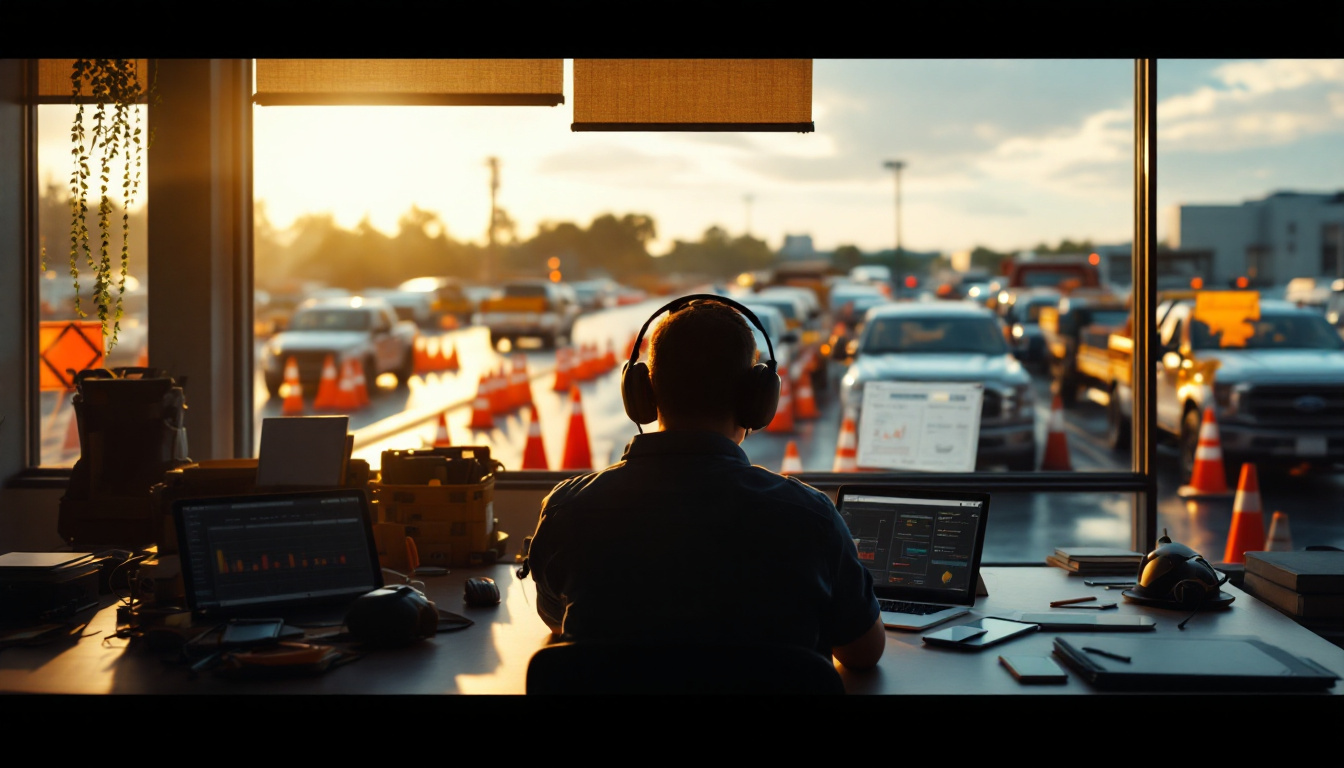
What Software Do Traffic Control Companies Use to Dispatch Flaggers and Equipment?
Most traffic control companies run on a mix of spreadsheets, texts, and general field-service software. Here is what each stack actually does, where it breaks, and what a purpose-built system has to handle.
Aug 8, 2026 · 13 min read

Traffic control plans
Who Pays for the Traffic Control Plan? Sorting Out Contract Roles
On most projects it is unclear who prepares, seals, revises, and pays for the traffic control plan until someone needs a revision. Here is how the roles usually break down and what to settle before you bid.
Aug 8, 2026 · 5 min read

Running the business
Winning Repeat Traffic Control Work: Account Management for Contractors
Most traffic control companies chase bids and neglect the handful of relationships that produce the majority of their revenue. Here is what account management looks like in this industry.
Aug 8, 2026 · 5 min read

Compliance and work-zone safety
Work Zone Inspections and Agency Audits: What Gets Checked
What an inspector actually looks at when they walk your work zone, how deficiencies escalate, and what documentation turns an awkward conversation into a two-minute one.
Aug 8, 2026 · 5 min read

Equipment and yards
Work Zone Lighting and Light Towers: Getting Night Illumination Right
Night work needs light, and badly aimed light creates glare that makes the work zone more dangerous than darkness. Here is how illumination requirements, tower placement, and glare control actually work.
Aug 8, 2026 · 5 min read
Running the business
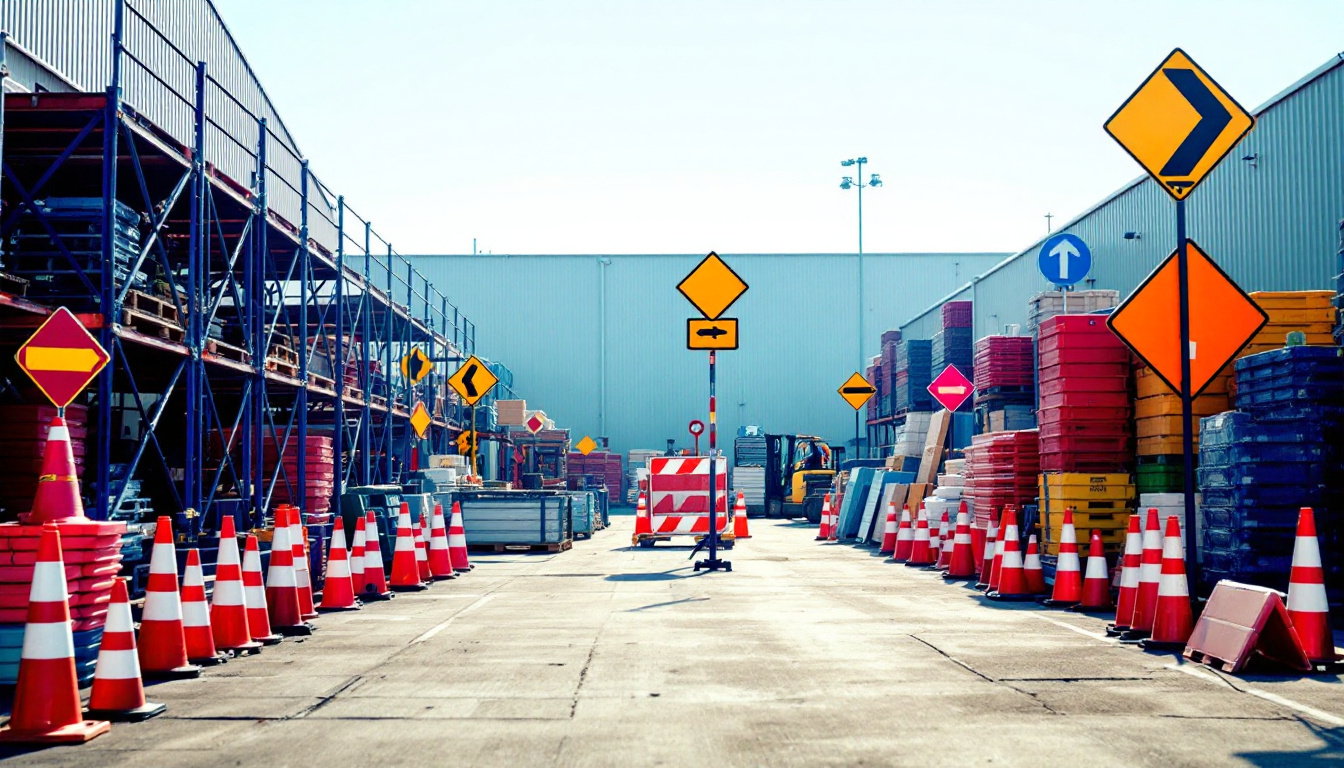
Yard Organization for Traffic Control Companies
The yard is where load-out speed, device condition, and inventory accuracy are decided. Here is how to lay one out so morning load-out stops being the bottleneck.
Aug 8, 2026 · 6 min read

Running the business
Bidding Municipal and Public-Agency Traffic Control Contracts
Public work runs on rules that private work does not: prequalification, bonding, prevailing wage, DBE participation, and a bid form that has to be filled out exactly. A practical walk through how traffic control companies win agency contracts without losing money on them.
Aug 2, 2026 · 11 min read

Equipment and yards
Channelizing Devices: Cones, Drums, Tubular Markers, and Vertical Panels
The devices that make up most of a traffic control inventory, what each one is actually for, why they are designed to be knocked over, and how retroreflectivity quietly decides whether any of them work at night.
Aug 2, 2026 · 6 min read

Choosing software
Charging for Damaged and Lost Traffic Control Devices
Device attrition is a real cost line that most traffic control companies absorb by default. How to track damage and loss to a job, when the contract lets you recover it, and why the evidence has to be captured before the devices come back.
Aug 2, 2026 · 6 min read

Choosing software
Emergency Callout Dispatch for Traffic Control Companies
How traffic control companies actually dispatch after-hours and emergency callouts — the 2 a.m. utility break, the crash scene, the unplanned lane closure — and what a dispatch system has to do differently when the job arrives with no notice.
Aug 2, 2026 · 12 min read

Traffic control plans
Field Changes to an Approved Traffic Control Plan
The site never quite matches the drawing. What a crew can adjust on its own authority, what has to go back for approval, and how to document a deviation so it protects you instead of indicting you.
Aug 2, 2026 · 6 min read

Running the business
FMCSA Requirements for Traffic Control Fleets
Attenuator trucks, sign trailers, and loaded flatbeds put a lot of traffic control companies inside federal motor carrier rules without them realizing it. The thresholds that matter, the Clearinghouse obligation people miss, and what to check on your own fleet.
Aug 2, 2026 · 7 min read

Traffic control plans
How Traffic Control Plans Actually Get Drawn
Typical application, CAD drawing, dedicated TCP software, or an outside engineer — the four ways traffic control plans get produced, what each costs in time and money, and how to tell which one a given job needs.
Aug 2, 2026 · 6 min read

Choosing software
Managing Recurring Lane-Closure Contracts and Long-Term Rentals
A six-month nightly closure is not thirty separate jobs and it is not one job either. How traffic control companies structure recurring closures, long-term device rentals, and the billing cycle that sits underneath them.
Aug 2, 2026 · 6 min read

Compliance and work-zone safety
The MUTCD 11th Edition: What It Means for Work Zones, and Why Your State's Manual Still Differs
The 11th Edition of the MUTCD was published in December 2023 and states had until January 2026 to adopt it. What that deadline actually required, why your state manual may still say something different, and how to keep field templates from citing sections that no longer exist.
Aug 2, 2026 · 11 min read
Compliance and work-zone safety
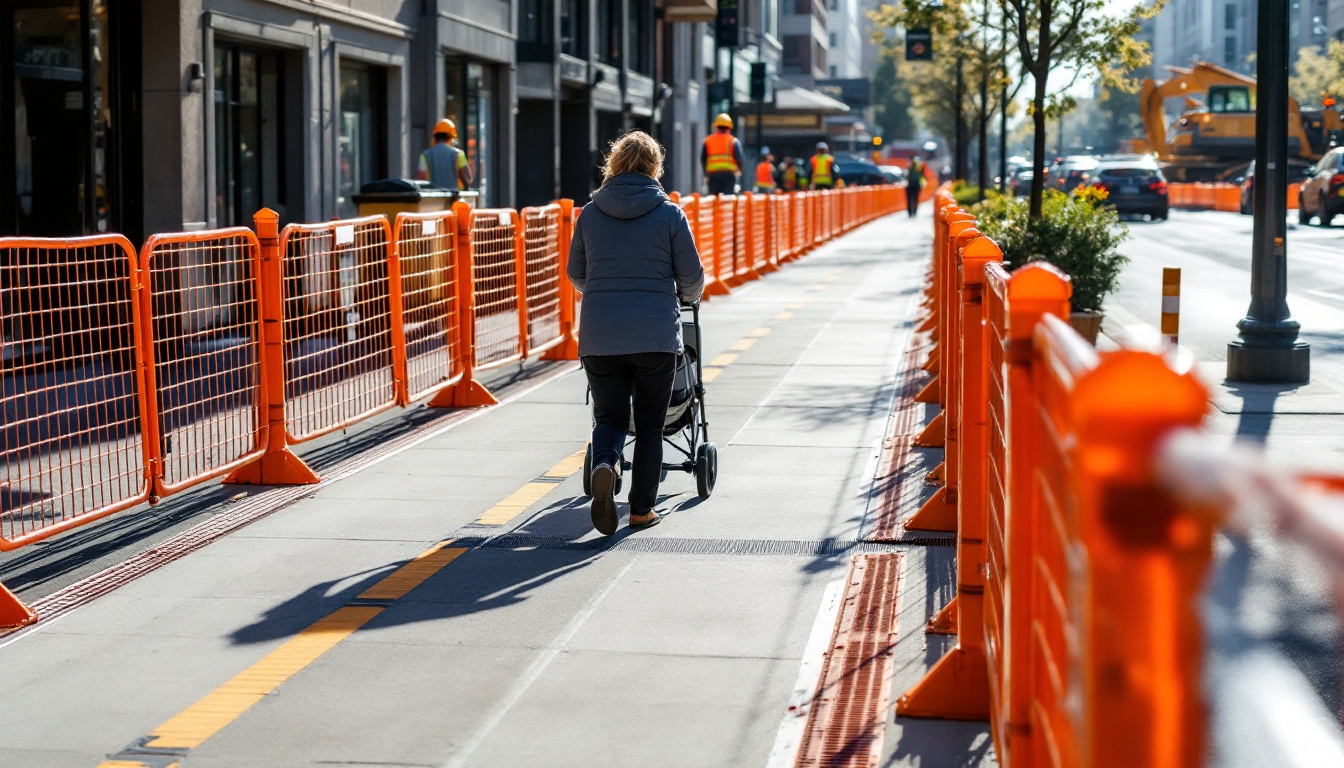
Pedestrian Accommodation in Work Zones
Closing a sidewalk is not the same as closing a lane. What the traffic control manual and federal accessibility guidelines expect when your work zone crosses a pedestrian route, and why 'Sidewalk Closed, Cross Here' is often not an acceptable answer.
Aug 2, 2026 · 6 min read
Compliance and work-zone safety
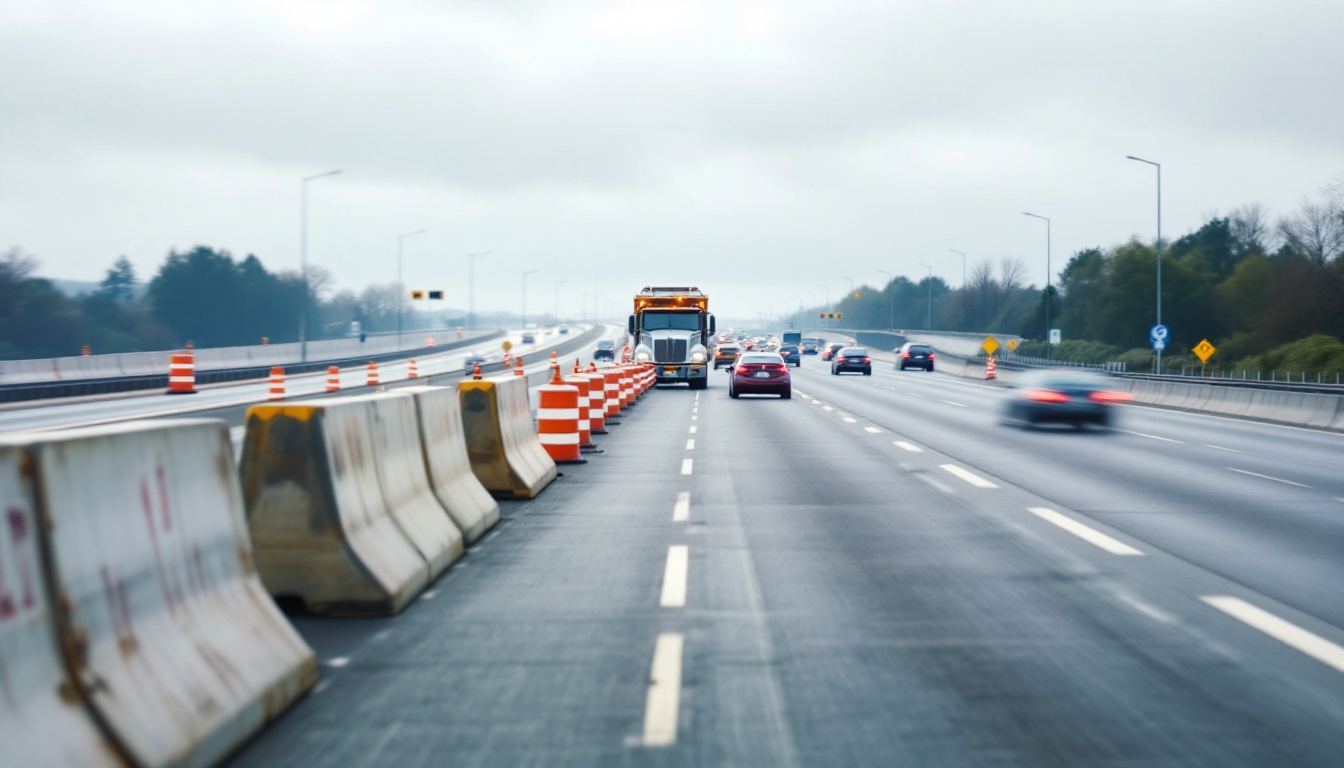
Positive Protection in Work Zones: What the Federal Rule Actually Requires
Barrier, attenuators, and shadow vehicles are not interchangeable with cones. A careful read of 23 CFR 630 Subpart K — what positive protection means, when the federal rule says to consider it, and what a contractor is actually on the hook for.
Aug 2, 2026 · 11 min read

Running the business
Safety Records and EMR in Traffic Control Prequalification
Agencies and general contractors increasingly score bidders on safety record before they look at price. What an experience modification rate is, what OSHA recordkeeping actually produces, and how a traffic control company builds a record that survives scrutiny.
Aug 2, 2026 · 6 min read

Running the business
Subcontracting Traffic Control Work: What to Nail Down First
Overflow work, out-of-area jobs, and specialty scopes all end up subcontracted. The terms that actually determine whether a traffic control sub relationship makes money or creates liability — and the ones people discover after the fact.
Aug 2, 2026 · 6 min read

Compliance and work-zone safety
Work Zone Intrusions: Prevention, Response, and the Data Nobody Collects
An intrusion is a vehicle entering the work space. Most of them hurt nobody and appear in no federal dataset — which is exactly why they are the most useful safety signal a traffic control company can capture, and the one almost nobody does.
Aug 2, 2026 · 11 min read