Blog · page 9 of 10
Operations playbooks for traffic control crews
Field notes, software comparisons and deep dives for traffic control, barricade rental and lane-closure companies, with every source linked.

Compliance and work-zone safety
Work Zone Speed Management and Automated Enforcement
Speeding is a factor in roughly a third of fatal work zone crashes. What speed management actually consists of beyond posting a reduced limit, how automated work zone enforcement programs are structured, and what any of it changes for the contractor setting up the zone.
Aug 2, 2026 · 6 min read

Compliance and work-zone safety
Automated Flagger Assistance Devices (AFADs), Explained
What AFADs are, the two types the MUTCD recognises, the two deployment methods and when one flagger can run both ends, where AFADs are and are not allowed, and how to think about the labor and equipment economics honestly.
Jul 26, 2026 · 11 min read

Choosing software
How Traffic Control Companies Bill Equipment by the Day or Week Automatically
The mechanics of automated device-rental billing: what data has to exist for a rental line to generate itself, how daily, weekly and monthly cycles differ, the proration decisions that cause disputes, and where recurring lane-closure contracts break naive billing.
Jul 26, 2026 · 6 min read

Running the business
Change Orders on Traffic Control Jobs
Why traffic control work generates changes that never become change orders, the five most common uncaptured changes, and the field process that turns a scope change into a documented, billable one before the memory of it fades.
Jul 26, 2026 · 6 min read

Running the business
Insurance and Bonding for Traffic Control Contractors
The coverages traffic control companies are typically asked to carry, why bonding is a capacity constraint rather than a cost line, what the SBA guarantee program covers, and the documentation habits that make renewals and claims go differently.
Jul 26, 2026 · 6 min read

Running the business
Job Costing for Traffic Control Companies
How to build a job cost that actually reflects a traffic control job — the four cost buckets, why equipment-days are the one most companies get wrong, how to allocate the overhead that does not attach to any job, and the reports worth running weekly.
Jul 26, 2026 · 11 min read

Running the business
Per Diem and Travel Pay for Traffic Control Crews
How per diem and travel pay actually work for out-of-area traffic control work — the IRS substantiation methods and current rates, why travel time and per diem are separate questions, and how to price and record both without creating a payroll problem.
Jul 26, 2026 · 6 min read

Traffic control plans
Reading a Traffic Control Plan in the Field
A crew-level guide to reading a TCP on site: what the letters and symbols mean, how to check the plan against the road you are actually looking at, what you may adjust and what you may not, and what to document when the two disagree.
Jul 26, 2026 · 11 min read
Permits and DOT
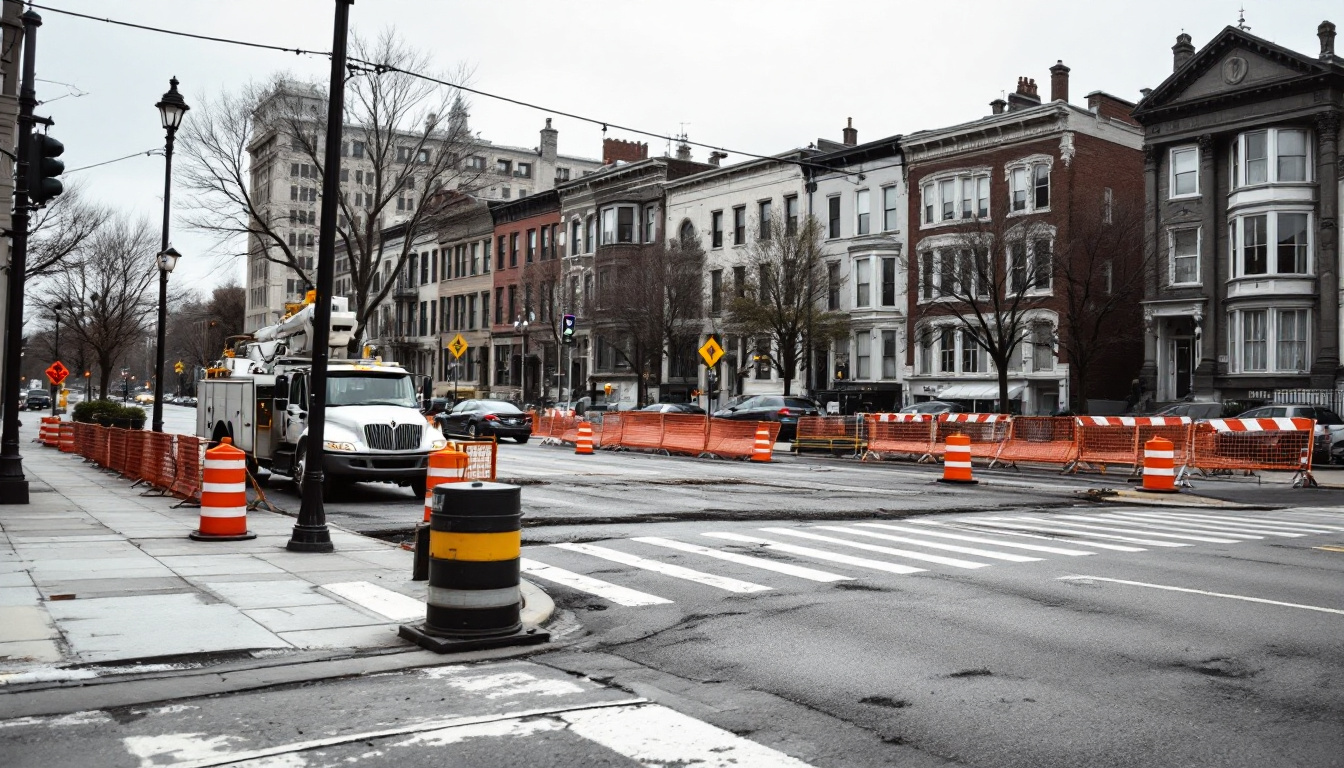
Right-of-Way Permits for Traffic Control Work
What a right-of-way permit is, how it differs from a lane-closure permit, who typically issues one, what a submission usually contains, and how to track permit obligations across multiple jurisdictions without losing a job to an expired approval.
Jul 26, 2026 · 6 min read
Permits and DOT
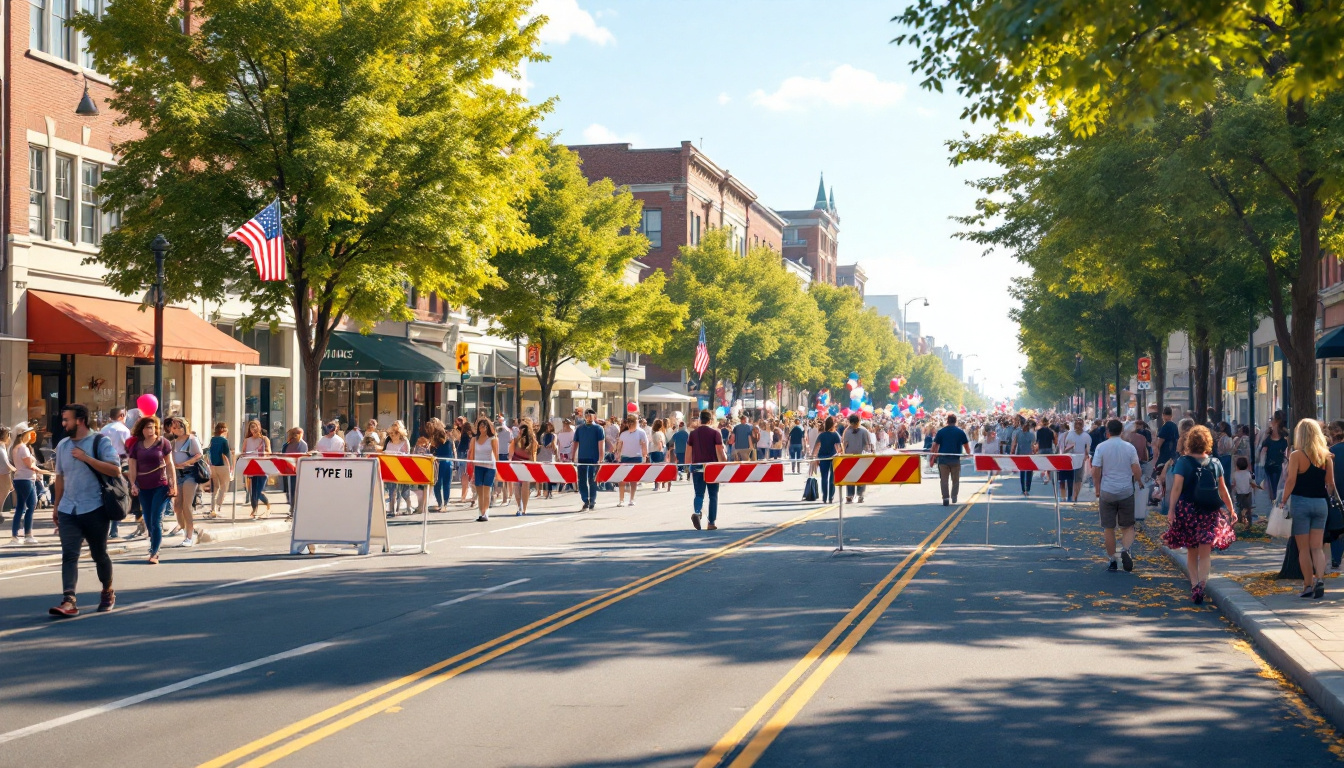
Special Event Traffic Control: Planning and Permits
How special event work differs from construction traffic control — pedestrian volumes as the primary design driver, compressed setup windows, multi-agency approval, and the commercial terms that decide whether event work is profitable or just visible.
Jul 26, 2026 · 6 min read

Compliance and work-zone safety
Taper Length and Buffer Space, Explained
How the MUTCD treats tapers and buffer space in a temporary traffic control zone — the taper types and their length criteria, what buffer space is actually for, the mistakes that show up on real closures, and why the 11th Edition renumbering matters for your documents.
Jul 26, 2026 · 12 min read

Choosing software
How Barricade Companies Track Which Devices Are on Which Job Site
The methods traffic control and barricade rental companies actually use to know where every cone, barricade, sign and arrow board is — why yard-count and spreadsheet approaches break down, and what a job-site-anchored inventory system has to do differently.
Jul 26, 2026 · 11 min read

Traffic control plans
Traffic Control Plan Templates: When They Work and When They Don't
The difference between a MUTCD typical application, an agency standard drawing and a site-specific plan — where each is appropriate, why typical applications are minimums rather than templates, and how to build a reusable plan library without submitting the wrong thing.
Jul 26, 2026 · 6 min read

Choosing software
Software for a One-Crew Flagging Company That's Growing Fast
What a small traffic control company actually needs from software at two crews versus six, which problems genuinely wait, the three signals that mean you have outgrown paper, and how to avoid buying twice.
Jul 26, 2026 · 6 min read

Equipment and yards
Truck-Mounted Attenuators, Explained
What a TMA is, why a shadow vehicle without one is itself a hazard, how the MUTCD frames positive protection and shadow vehicle positioning, the inspection obligation after any hit, and how to think about owning versus subbing them.
Jul 26, 2026 · 6 min read
Permits and DOT
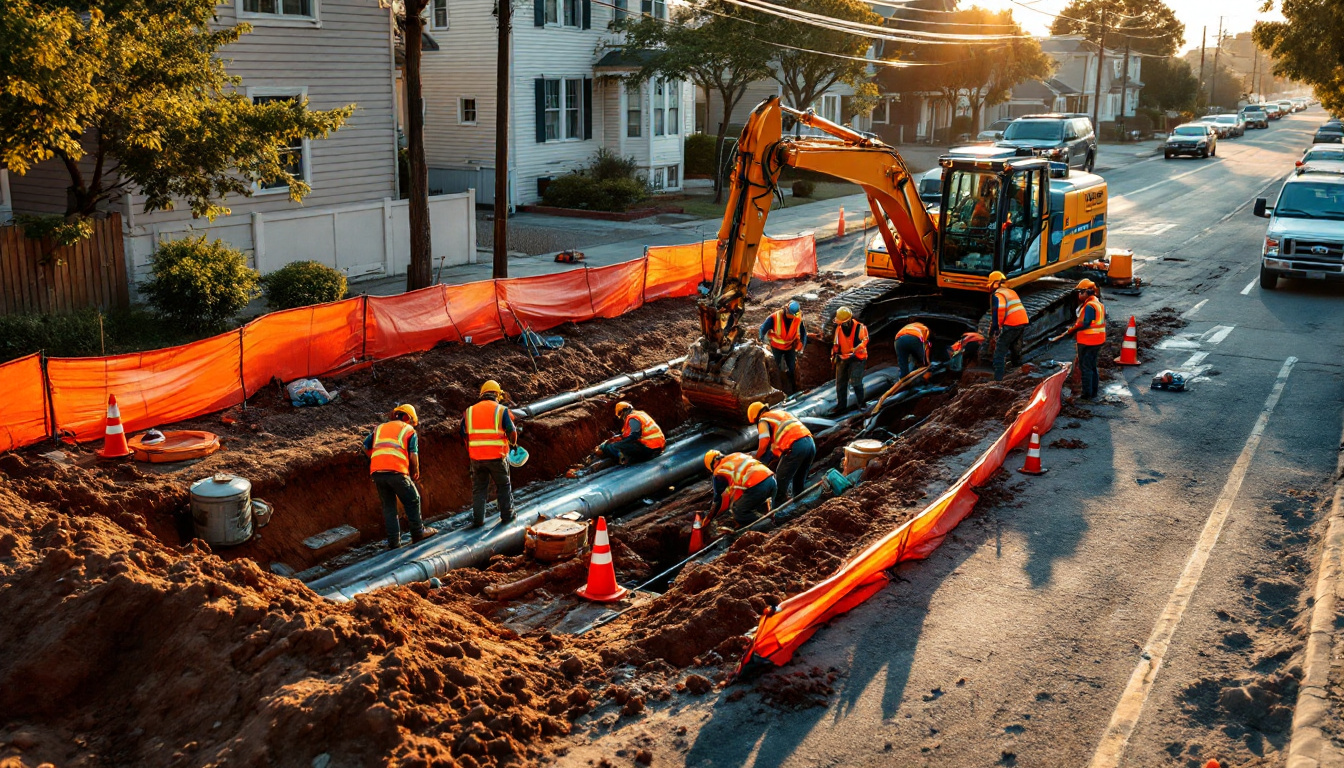
Utility Work Traffic Control: What Changes
Why utility jobs behave differently from road construction for a traffic control contractor — duration categories that shift mid-job, open excavations, moving work spaces, the coordination layer, and how to price work whose schedule you do not control.
Jul 26, 2026 · 6 min read

Equipment and yards
Arrow Boards and Portable Message Signs, Explained
What each device is for, where they belong in the zone, how they differ, and why the ones you own are usually the hardest assets in your fleet to keep track of.
Jul 25, 2026 · 5 min read

Choosing software
Barricade Rental Management Software: A Buyer's Guide
Renting devices is a different business from selling labor. Here is what barricade rental actually requires from software — multi-yard inventory, recurring billing, kits, loss and damage — and where generic field-service tools stop.
Jul 25, 2026 · 13 min read

Running the business
Crew Utilization: The Metric Most Traffic Control Companies Don't Track
Wage rates are known to the penny and utilization not at all — which is backwards, because utilization moves the economics harder and management can actually change it.
Jul 25, 2026 · 5 min read

Permits and DOT
DOT Prequalification for Traffic Control Contractors: How It Works
Prequalification is the gate between subcontracting and bidding directly. Here is how the process generally runs, what the financial requirement really costs, and the deadlines that catch companies out.
Jul 25, 2026 · 4 min read

Running the business
What an Hour of Flagger Time Actually Costs: Building a Loaded Labor Rate
Base wage is the smallest part. Here is how to build a defensible loaded hourly cost for field labor — burden, non-productive time, utilization, prevailing wage, and the admin tail nobody prices.
Jul 25, 2026 · 11 min read

Choosing software
Flagger Scheduling Software: What to Look For
Scheduling flaggers is not scheduling technicians. Certifications expire, jobs move overnight, and crews change at 5 a.m. Here is what actually matters in a scheduling tool for traffic control.
Jul 25, 2026 · 4 min read

Running the business
Getting Paid Faster: Invoicing for Traffic Control Contractors
Most late payment in this trade is not the customer stalling. It is a missing signature, a device count nobody can substantiate, or an invoice that went out eleven days after the work.
Jul 25, 2026 · 5 min read
Compliance and work-zone safety
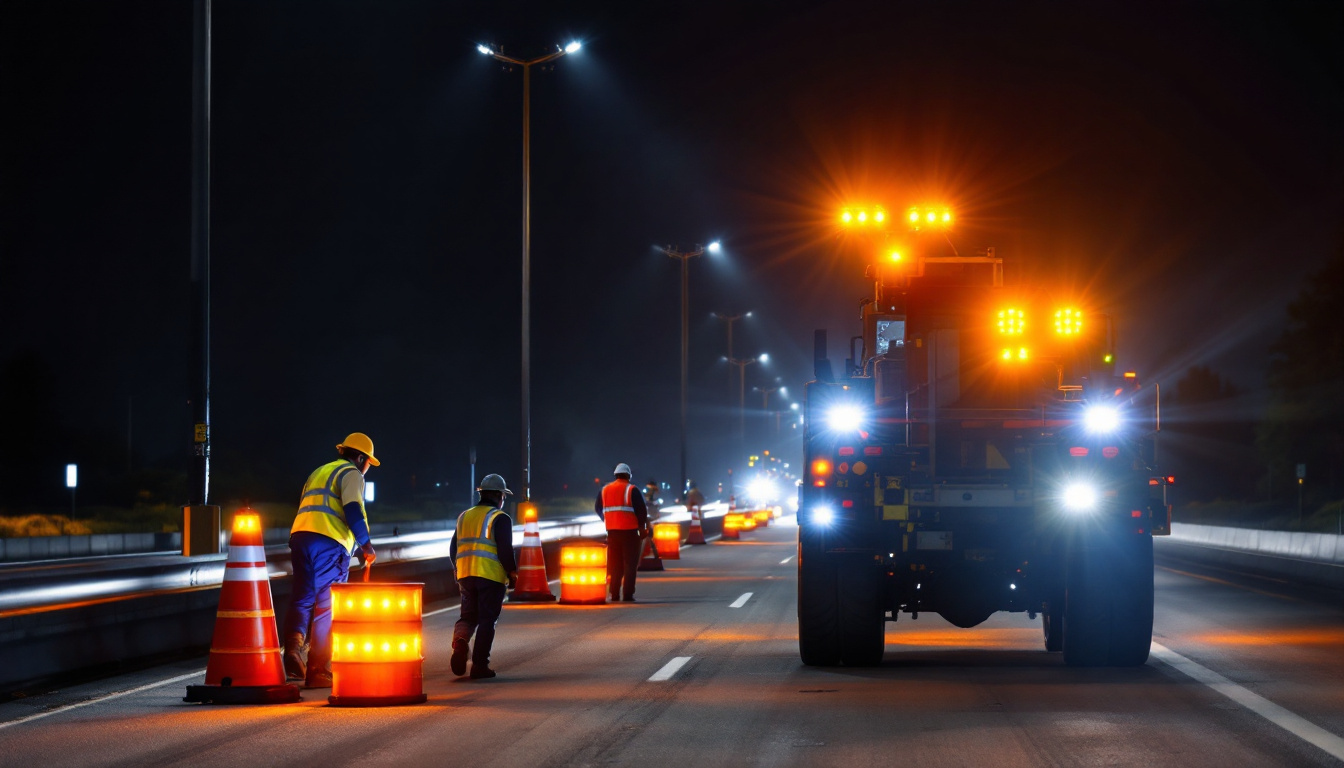
Night Work Traffic Control: What Changes After Dark
Night lane closures are not day closures in the dark. Visibility, inspection scrutiny, crew fatigue, and cost structure all shift — here is what changes and what to plan for.
Jul 25, 2026 · 5 min read